


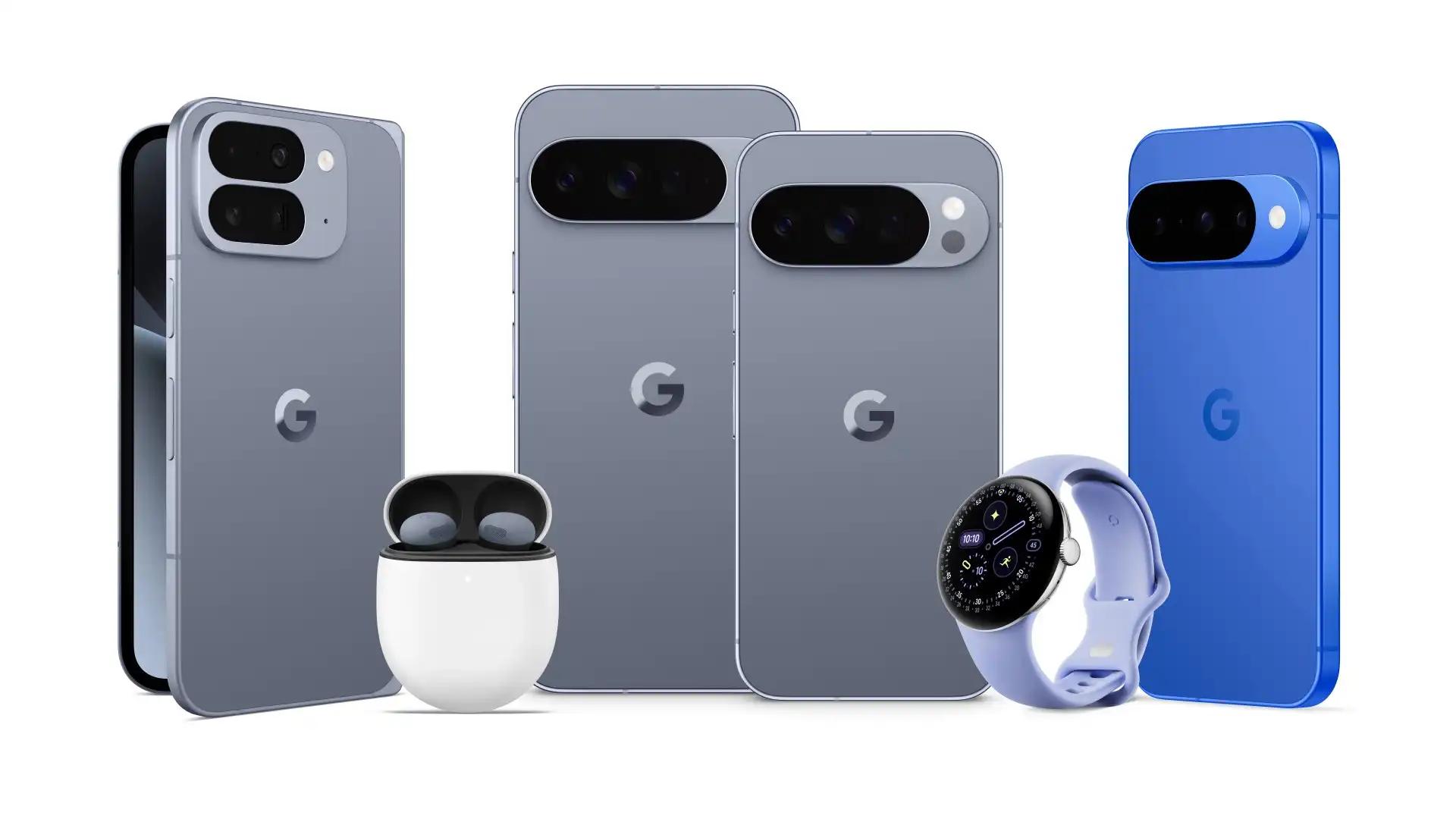
Google’s annual “Made by Google” event ushered in the Pixel 10 lineup, spanning the base model, two Pro variants (including XL), and a foldable Pixel 10 Pro Fold. While changes are conservative on the surface, the real leap forward lies in deep, AI-driven features across the board.
Evolution Over Revolution
Under the hood, the new Tensor G5 chip and Gemini Nano AI engine redefine what Pixel phones can do. Yet beyond performance gains, Google doubled down on subtlety—refined cameras and recycled materials headline the design, while a new magnetic Pixelsnap charging system brings practical flair to wireless Qi2 charging. What jumps out is the almost invisible shift: more intelligent experiences rather than flashy hardware changes.
Smarter Snaps and Assistive Software
Photography gets a hands-on AI injection. The Camera Coach guides real-time framing, and Pro-Res Zoom—present on the Pro models—pushes digital zoom to a staggering 100×, offering more usable detail than ever before. Complemented by “Best Take” improvements and rooted in transparency via content credentials, Google also surfaces what’s AI-generated—helping users keep creative control of each shot.
Meanwhile, Magic Cue predicts user needs—surfacing helpful tidbits during calls or messages, such as flight confirmations or calendar alerts. Speaking to this shift, Google’s product team explains that this lineup focuses on “helping users by making their phones more proactive.” These AI features aim to reduce friction, making mobile tasks smoother and more intuitive.
Ready for the Real World
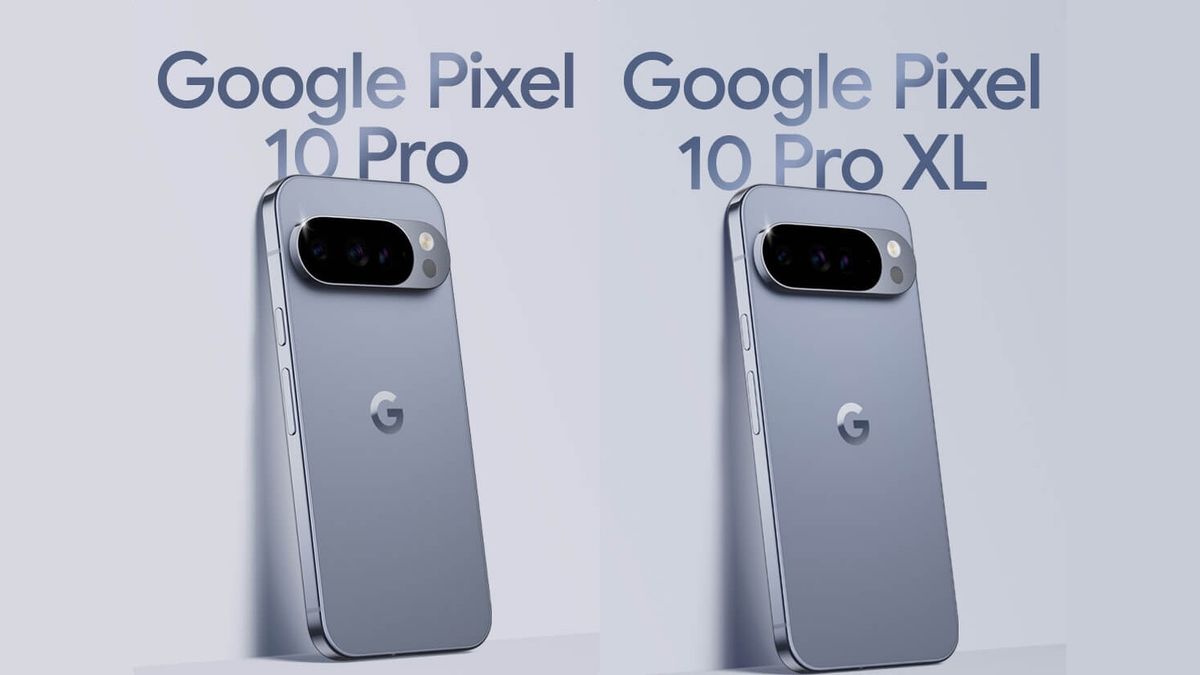
Pricing remains steady. The base Pixel 10 starts at $799, while the Pro and XL stretch to $999 and $1,199, and the Pro Fold rolls out later this year at $1,799. Despite this ambition, Google’s global smartphone market share remains modest—hovering around 1.1%—raising the question of whether AI features can truly shift the competitive landscape in flagship markets.
Final Take
In launching the Pixel 10 series, Google chose calibration over disruption. It’s not about flashy redesigns, but rather about embedding AI throughout the experience in subtle, meaningful ways. With AI assistant capabilities, content transparency, and enhanced computational photography, the Pixel 10 may not revolutionise everything—but it sets a nuanced, thoughtful tone for where smartphones could head next.