


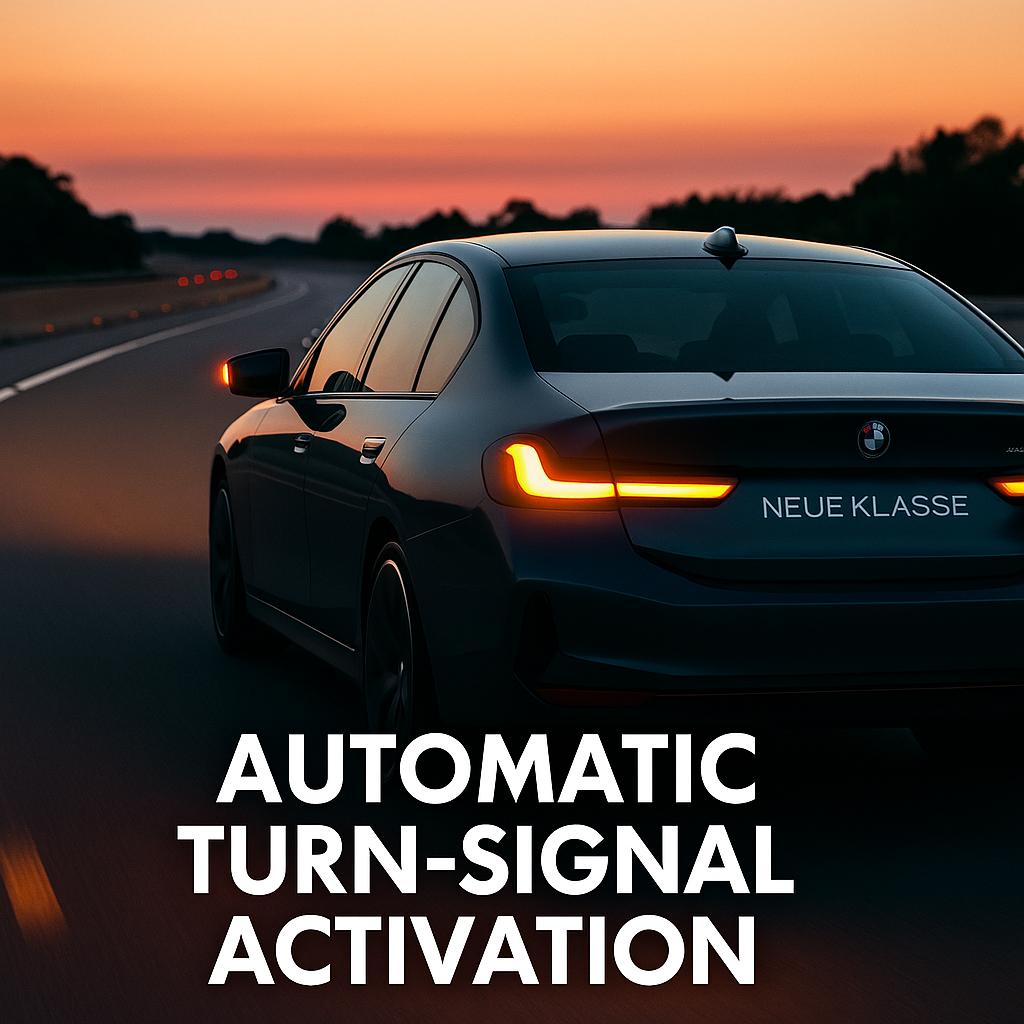
German automotive giant BMW is set to introduce a cutting-edge driver‑assistance feature in its upcoming Neue Klasse electric vehicles, offering automatic turn‑signal activation based on driver eye‑tracking and lane‑change intention—an innovation designed to enhance safety and streamline driving.
How It Works
Powered by a Qualcomm Snapdragon Ride computing platform, BMW’s new system integrates eye‑tracking cameras and AI-powered sensors. When the driver glances into the side mirror or neighbourhood that indicates an intention to change lane, the car automatically engages the corresponding turn signal—even before the steering wheel is turned .
BMW explains this as a move toward “symbiosis with the driver,” where assistance tech harmonises with natural human behaviour to improve safety without intruding.
What They’re Saying
UNN reports the feature debuted in the iX3 and other Neue Klasse models, combining electric range and performance with advanced driving aids .
The Verge’s Tim Stevens praised the system’s potential to counter stereotypes of BMW drivers neglecting indicators:
“The first BMW has finally appeared, designed to dispel the most common prejudice… they never turn on the turn signal before changing lanes.”
See It In Action
This video from Pubity walks through how the iX3 detects the driver’s intention, activating the signal automatically and showcasing its integration in motion.
The Tech Scoop
- Platform: Snapdragon Ride delivers enhanced computational capacity to process real‑time driver gaze, environment context, and lane‑change readiness .
- Safety synergy: Eye‑tracking ensures turn signals only activate when the driver genuinely signals intent, reducing false activations.
- Built on established systems: The feature is part of BMW’s broader lane‑change frameworks—drivers look to indicate intent, and the car confirms the manoeuvre, steering combinations forward.
Why It Matters
| Benefit | Impact |
|---|---|
| Enhanced road safety | Early signalling reduces collision risk and improves driver communication. |
| Driver convenience | Reduces manual steps when changing lanes at motorway speeds—a smoother, more intuitive experience. |
| Image rehabilitation | Counters the “BMW drivers never signal” stigma with proactive signalling. |
Considerations Ahead
- Driver control: Will owners be able to disable the feature, or is it mandatory? Early feedback suggests optionality through driver-assist settings.
- System sensitivity: Over‑cautious or misinterpreted glances could trigger unnecessary indicators.
- Regulatory alignment: EU and UK regulations typically require manual signalling—BMW’s approach may set new precedents in autonomous lane‑change heuristics.
What’s Next
The feature will debut in the iX3 later this year, with roll-out across Neue Klasse EVs anticipated soon after . Reliability testing in real‑world traffic and driver feedback will guide updates and expansion to wider BMW models.
Final Word
BMW’s automatic turn‑signal activation marks a thoughtful leap forward in driver‑assist innovation—melding human gaze and AI to reduce driver workload and improve signalling etiquette. As it rolls out with the Neue Klasse EVs, the premium brand is positioning itself at the forefront of adaptive, intuitive automotive safety. Expect more of these “hands-free but eyes-on” features as motoring enters a smarter, more responsive era.