


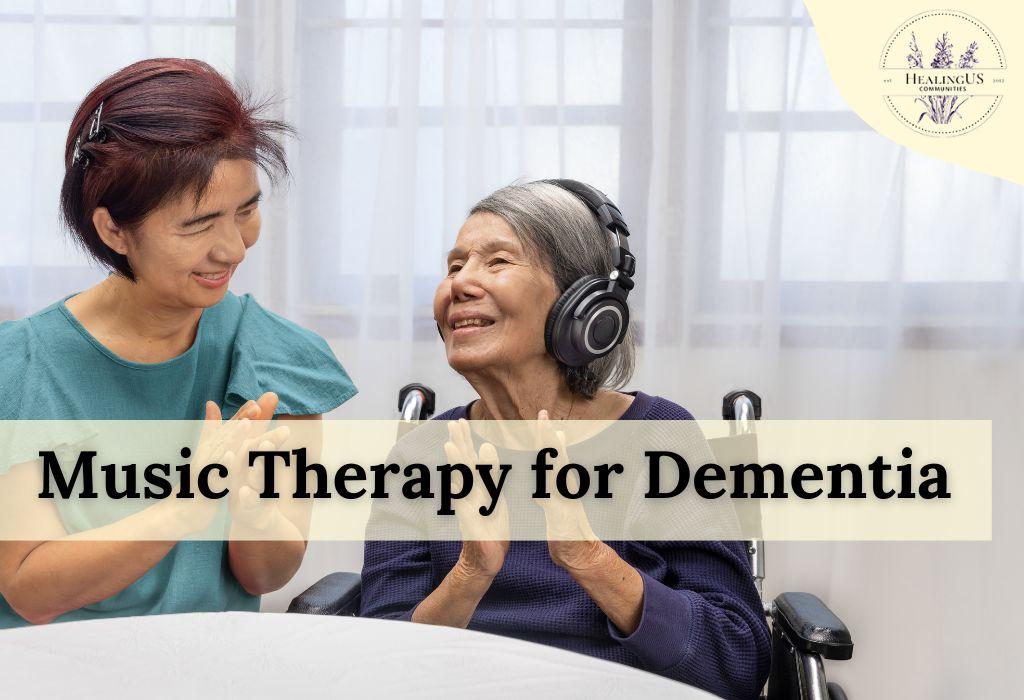
A groundbreaking UK pilot study is challenging conventional dementia treatment methods—revealing that structured music therapy can often reduce patient distress more effectively than medication. The trial, led by researchers at Anglia Ruskin University in partnership with Cambridgeshire and Peterborough NHS Foundation Trust, evaluated a bespoke intervention programme known as MELODIC. The results point toward a future in which tech-enhanced, non-pharmaceutical solutions could become a new standard in elderly care.

The MELODIC Method
At the heart of the pilot is MELODIC—a music therapy model specifically designed for patients with advanced dementia in inpatient care settings. The approach embeds a professional music therapist directly into the ward, enabling live, responsive, and highly personalised therapy sessions.
The sessions included live singing, percussion, and the use of personalised playlists tailored to each patient’s emotional and behavioural profile. Crucially, the intervention was not confined to one-off events but woven into daily routines. Care staff were also trained to continue the practice, reinforcing its effect throughout the day.
One clinician involved in the pilot described the impact this way:
“Musical interactions help people feel safer and more oriented, which can lower levels of distress and improve wellbeing.”
Measurable Results Without Medication
The clinical findings were striking. Patients undergoing the MELODIC intervention exhibited significant reductions in distress symptoms—most notably anxiety and agitation. In many cases, the need for psychotropic medication was reduced or eliminated altogether, without triggering any increase in disruptive behaviours or medical incidents.
The study’s lead researcher commented:
“Using music instead of medications yielded remarkable results. Patients became calmer, staff were less burdened, and there were no side effects.”
The fact that this improvement came without the potential risks of medication—such as sedation, increased fall risk, or drug interactions—is a game-changer in dementia care strategy.
A New Frontier for Tech-Enabled Therapies
The implications for the tech sector are far-reaching. Music therapy is inherently adaptable to digital enhancement. Imagine smart playlists driven by machine learning, wearable sensors tracking patient mood in real time, and AI-generated music tailored to an individual’s emotional state.
Tech integrations that could evolve MELODIC into a scalable platform include:
Mood-detection devices linked to automatic playlist adjustments
Machine learning models that predict which types of music calm specific individuals
Care dashboards for staff to monitor emotional and behavioural responses
Voice assistants that offer personalised auditory stimulation on demand
This is a space where behavioural health, emotional AI, and user-centred design converge.
Cognitive Science Meets Music
The underlying neuroscience supports the model. Familiar music has been shown to activate brain regions tied to autobiographical memory and emotion—regions that often remain responsive even in later stages of dementia. This makes music a uniquely powerful tool for reconnecting patients with themselves and their surroundings.
The MELODIC study not only demonstrated that emotional and cognitive engagement through music is possible—it showed that such engagement can be more effective than sedatives and tranquillising medications.
Scaling the Model
With its initial success, MELODIC has the potential to expand beyond NHS wards and into broader environments such as care homes, day centres, and even home care via connected devices. A fully digital version of the programme could enable:
Remote delivery of music therapy in underserved areas
Real-time emotional monitoring and feedback loops
Personalisation at scale based on ongoing behavioural analytics
Of course, these developments raise important questions around data privacy, ethical consent, and digital health governance—particularly when dealing with vulnerable individuals.
The Takeaway
Music therapy is no longer an alternative or add-on; it is emerging as a serious, evidence-based contender in the treatment of dementia-related distress. With the right technological frameworks, it has the potential to revolutionise care delivery by offering safe, personalised, and scalable emotional support.
As one therapist put it:
“When words fail, music speaks. And in dementia care, that can mean everything.”