


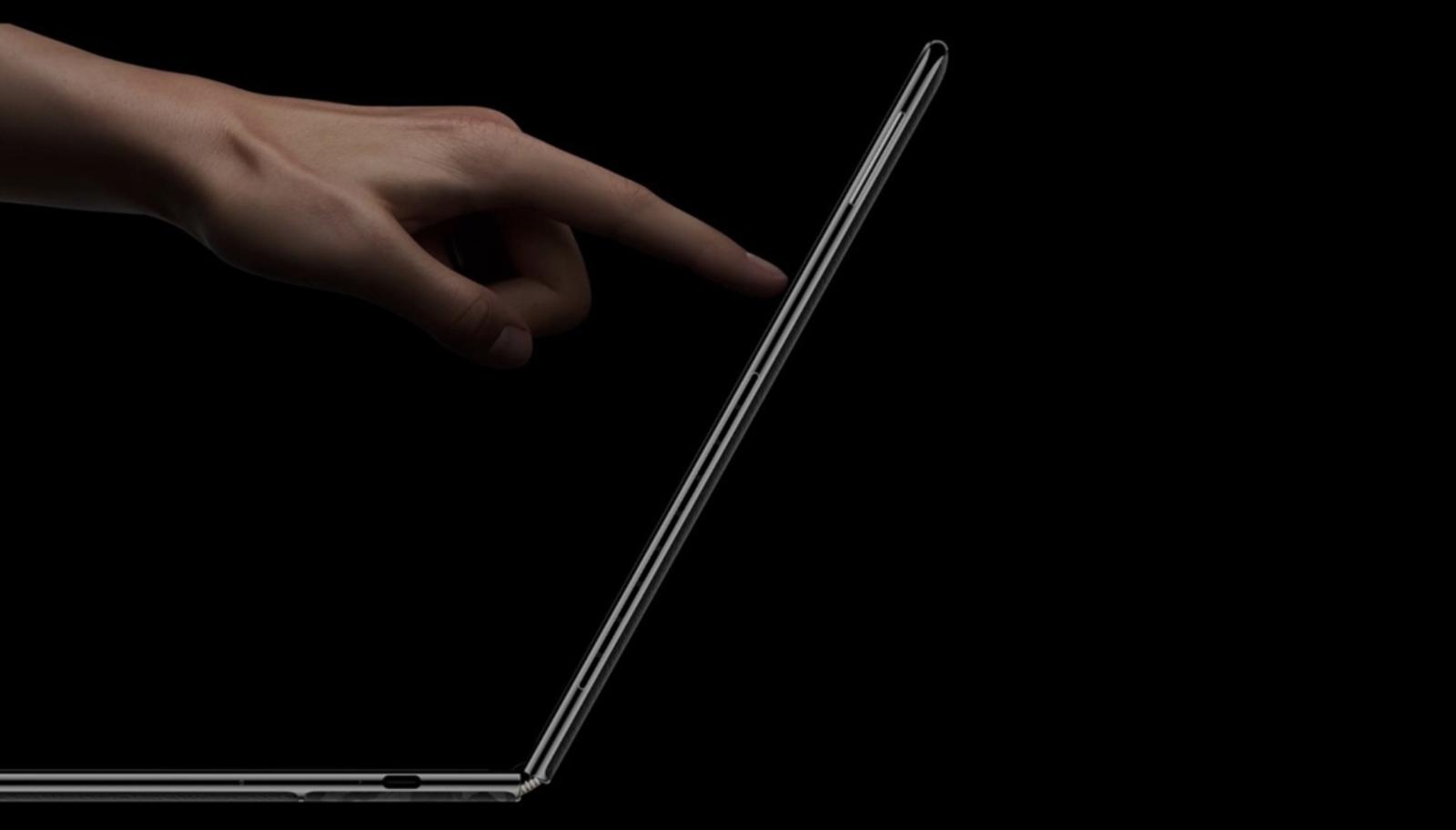
If you’ve glanced at the latest Apple leaks, you might’ve done a double-twitch—yes, rumors are swirling that Apple’s long-resistant stance on MacBooks with touchscreens may finally be bending. The key: a future MacBook Pro with both OLED display technology and touch support, possibly landing in late 2026 or early 2027.
What’s the Scoop
- Analyst Ming-Chi Kuo recently suggested that Apple is working on an OLED MacBook Pro that will feature “on-cell” touch panels. “On-cell” means touch sensors are built into the display’s layer rather than adding a separate overlay—streamlining the design.
- Mass production might kick off late 2026, with general availability possibly spilling into early 2027.
- Samsung Display is being tipped as a likely panel supplier for the OLED screens. Rumors point to it using its Gen-8.6 OLED lines to meet Apple’s expected demand.
Why It Doesn’t Feel Crazy Anymore
For years Apple resisted putting touch on laptops—one of Steve Jobs’ big design beliefs was that the arm fatigue (you know, reaching up to touch a screen) made touch on laptops less practical. But several things have shifted:
- Users increasingly use iPads in hybrid setups, noting the utility of touch for certain tasks (sketching, browsing, annotations). Apple may be observing behavior and adapting.
- OLED panels offer better contrast, deeper blacks, and improved power efficiency—features that help cushion the compromises that touch might bring (extra hardware weight, power draw, cost).
- On-cell touch integration reduces layers, helping keep designs thinner and perhaps more power efficient vs traditional touch stack-ups.
What Problems Still Need Solving
These rumors aren’t confirmed, and some notable trade-offs could make or break how well the final product performs:
- Battery life: Touchscreens always consume more power; OLEDs help but only so much. Apple will need to balance display brightness, refresh rates, and overall energy draw.
- Heat & comfort: More power means more heat—making sure the laptop stays comfortable in use is key.
- Durability & finish: Touch surfaces are taint-magnets (smudges, fingerprints), especially on laptops that are also used for serious work.
- Software polish: macOS will likely need more work to properly support touch—gesture support, touch-friendly UI elements, etc.—without compromising existing workflows.
What This Means If It’s Real
Here are possible ripples if Apple does release a touch-enabled OLED MacBook Pro:
- Creative professionals might get more flexibility: sketching, marking up, gestures directly on screen.
- Apple could be edging toward further convergence between Mac and iPad lines—or at least offering hybrid workflows.
- Competitors with touchscreen laptops might feel more pressure, especially in areas like Windows ultrabooks, Surface devices, or convertible laptops.
- It may also shift how accessories or software tools are designed (stylus, touch gestures, etc.) to better integrate with macOS.
Verdict (Tentative but Exciting)
Putting touch on MacBooks isn’t a small change—it’s a shift in philosophy. If Apple pulls it off with quality, it could feel like a natural evolution rather than a gimmick. Late 2026 / early 2027 are looking like plausible timeframes, but whether the final machine meets expectations will depend a lot on how well Apple balances hardware design, battery life, and usability.
If I were buying right now, I’d probably wait and see: brush up on the rumored specs, think through whether touch adds meaningful benefit in what you do, and keep tabs on what signs Apple shows in software previews or hardware teardowns.