


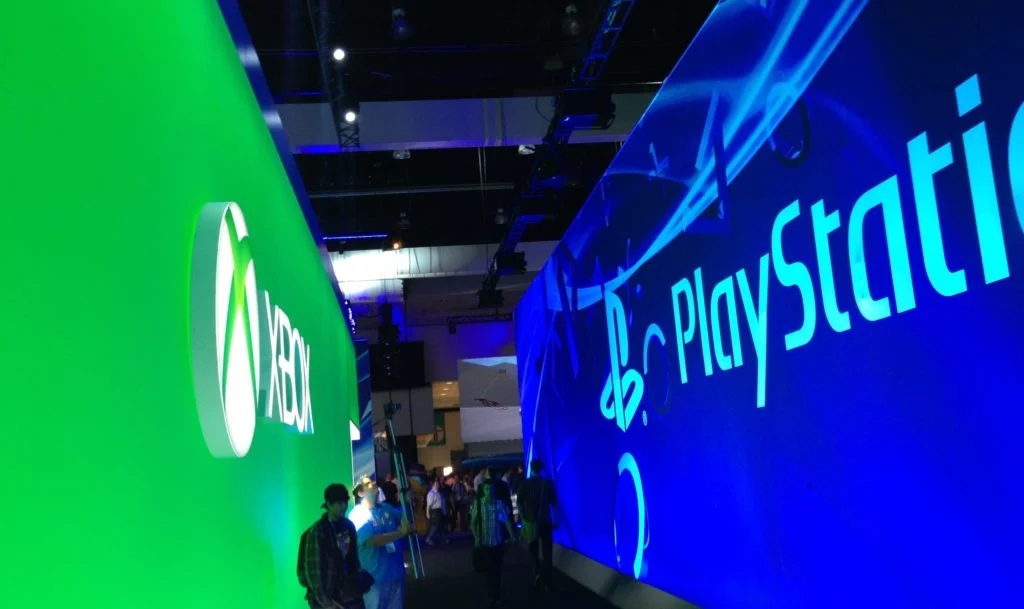
The race to the next console generation is already heating up. A recent leak suggests Microsoft’s upcoming Xbox (codenamed “Magnus”) could pack more performance than the rumored PlayStation 6 — but that leap in power may come with a steep price tag.
A Bigger SoC, a Heftier Bill
The heart of the speculation is the AMD Magnus APU, which merges CPU and GPU logic onto a single chip (an Accelerated Processing Unit architecture). According to the leak, this chip will be up to 46% larger than the version allegedly planned for PS6, hinting at a bold thermal and silicon investment.
One insider analyst notes that while clock speeds aren’t confirmed, if Microsoft pushes performance to its limits, the resulting console could outpace the PS6 by roughly 20–30% in many use cases. The catch? That scale, along with added architectural complexity like bridge dies and higher RAM demands, could push the Xbox’s price far above previous generations.
In leaked commentary, the price range floated runs from $800 to $1,200 — putting it in a premium tier beyond traditional console pricing. The idea, though, is that this console could blur the boundary between console and PC.

Console-PC Hybrid? A Bridge Between Worlds
A standout nuance in the speculation: this next Xbox could support not just games from the Xbox Store, but PC titles from other storefronts. That means it could behave less like a closed-system console and more like a console with PC flexibility baked in.
What would that mean in practice? On TV, performance differences might be modest — perhaps 4K at 120 Hz instead of 144 Hz. But plugged into a monitor, where frame rates matter more, that extra headroom could shine.
One reviewer of the leak put it succinctly:
“It should be stronger than the PS6, but it will also be more expensive because of this larger size … if it wants to work well as a PC-console hybrid.”
Risks & Realities
While these leaks are exciting, they’re far from guarantees. A few caveats:
- Trade-offs at scale: Bigger silicon comes with higher power draw, heat, and yield risk.
- Diminishing returns: Gains in performance don’t always translate to visible improvements on living room TVs.
- Mass market backlash: A four-figure console price would be a hard sell — especially if gamers expected incremental increases instead of premium jumps.
- Software and ecosystem balance: Hardware needs software to back it up — unless next-gen devs leverage every ounce of that extra horsepower, advantages may feel theoretical.
Final Take
If this leak holds water, Microsoft is betting that gamers will pay for hybrid flexibility and raw power. The next Xbox may become less a home console and more a versatile entertainment engine — part console, part PC. But unless Microsoft can justify the price with performance and utility, even a stronger Xbox might struggle to win hearts if it costs too much.