


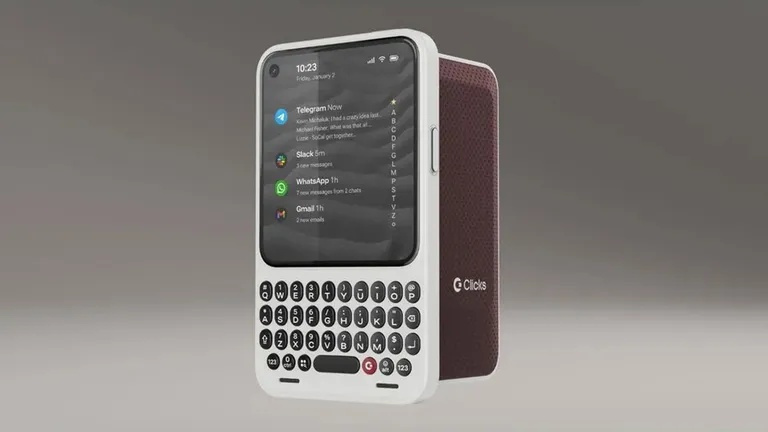
In an era dominated by full-screen touch devices and endless social feeds, one company is embracing a distinctly tactile approach to mobile communication. Clicks — best known for its popular physical keyboard accessories for smartphones — has unveiled its first standalone device: the Clicks Communicator, a compact handset that channels the productivity ethos of classic BlackBerry devices while embracing modern connectivity and multitasking demands.
Unlike nostalgic throwbacks that simply mimic old form factors, the Communicator has been conceived as a purposeful tool for efficient and focused communication. Rather than replacing a user’s primary smartphone, it is designed to work alongside it — a secondary device dedicated to messaging, email and core communication tasks. This positioning reflects a broader trend among mobile users seeking respite from the distraction-laden environment of typical smartphones.
At the heart of the Communicator is its physical QWERTY keyboard, paired with a 4.03-inch colour display. The interface aggregates incoming messages from major platforms such as email, WhatsApp, Telegram and Slack into a unified home screen, eliminating the need to toggle between multiple apps. A distinctive “signal light” system provides colour-coded alerts for contacts or applications, offering a visual shorthand for prioritising incoming communication without delving into menus or notifications.
Despite its streamlined focus, the Communicator boasts modern hardware credentials. It supports global 5G and 4G networks, expandable storage via microSD, NFC for contactless payments, Bluetooth 5.4 and Wi-Fi 6, ensuring that essential connectivity standards are met. The device also includes practical touches that many flagship phones have abandoned: a 3.5 mm headphone jack and both physical SIM and eSIM options.
The camera setup mirrors that of more conventional devices, with a 50-megapixel rear sensor and a 24-megapixel front-facing unit, enabling users to capture high-quality images and share them through their preferred messaging channels. Complementary features such as speech-to-text and voice recording broaden its usability beyond mere button-pushing.
Crucially, the Communicator’s operating system takes a deliberately pared-back approach. By focusing on essential communication tools and forgoing the proliferation of social media and gaming distractions, it aims to appeal to professionals, digital minimalists and anyone seeking a more intentional mobile experience. The design clearly nods to the generation that grew up with tactile phones — particularly Baby Boomers and Generation X — but its performance and connectivity make it capable of serving contemporary needs.
Price positioning reflects this hybrid identity: early reservations start at $399, with more comprehensive purchase options available directly through Clicks. While availability outside North America has yet to be confirmed, the initial launch marks an intriguing chapter in mobile hardware, one that challenges assumptions about the primacy of all-screen design.
Alongside the Communicator, Clicks has also introduced the Power Keyboard — a magnetic accessory combining a sliding physical keyboard with a battery pack. Designed to complement smartphones through Bluetooth connectivity, it broadens the company’s commitment to tactile typing across devices.
The Bigger Picture
Clicks’ venture into standalone hardware underscores a renewed interest in devices that prioritise productivity and intentional use. At a time when many consumers feel overwhelmed by distraction-driven design, products that emphasise simplicity and focus are carving out a niche. The Clicks Communicator does not simply resurrect a bygone form factor; it reinterprets it for a landscape where mindful communication and digital wellbeing are increasingly important.
Whether this approach will spark a broader renaissance in physical keyboards or standalone communication devices remains to be seen. For now, Clicks has reignited a conversation about mobile design that places human interaction — not endless scrolling — at its core.