


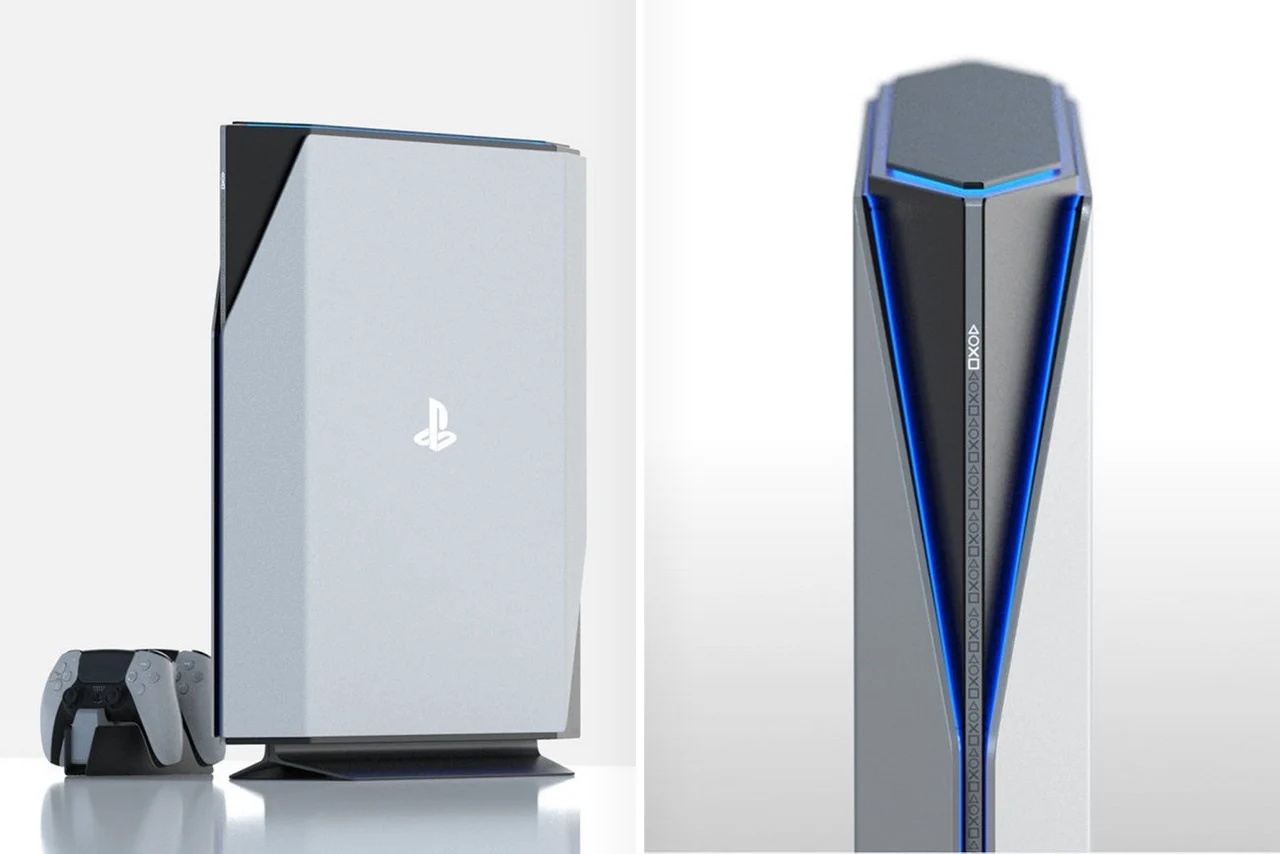
Sony’s next-generation console — the PlayStation 6 (PS6) — is still officially unannounced, but fresh leaks and hardware insights have begun painting a picture of what could be one of the most ambitious upgrades in PlayStation history. Early reports suggest the PS6 may sport up to 30 GB of high-speed GDDR7 memory, a significant jump from the 16 GB of GDDR6 in the current PlayStation 5, even as whispers of higher launch pricing ripple through gaming communities.
A Memory Upgrade Like No Other
According to the latest rounds of leaks credited to hardware insider Kepler L2 — a source with a track record for spilling credible next-gen console details — the PS6 could arrive with 30 GB of GDDR7 RAM mounted across ten 3 GB memory modules on the motherboard. The configuration is expected to run on a 160-bit memory bus, yielding up to 640 GB/s of total bandwidth.
This configuration would not only represent a nearly twofold increase over the PS5’s 16 GB memory but could also outpace even the upgraded PS5 Pro’s bandwidth in terms of capacity and data throughput. The broader implications of such an upgrade are tangible:
- More headroom for larger, richer game worlds
- Better performance in 4K and beyond
- Enhanced ability to handle AI-driven effects and ray tracing workloads
- Longer lifecycle relevance for future titles requiring heftier system memory
Memory bandwidth and capacity are especially crucial today as games push increasingly detailed assets, physics simulations and background systems that demand fast, consistent memory performance.
The Price Debate: Power vs Cost
However, hardware leaks rarely come without controversy — and the PS6’s memory push brings questions around pricing and market positioning. GDDR7, as the next-generation memory standard, is currently expensive, with global demand from data centres, AI infrastructure and high-end PCs squeezing supply and pushing unit costs higher.
Industry chatter suggests that equipping the PS6 with such a generous memory configuration could add substantially to the console’s bill of materials, which may ripple through to the final retail price. Some estimates — based on similar console BOM calculations — have suggested a potential price extension approaching or exceeding premium console tiers seen in recent generation hardware.
For context, the original PlayStation 5 launched in 2020 at a price point near current premium console norms, and the newer PS5 Pro edition carried a noticeable price premium over its predecessor. If Sony pursues a high-spec PS6 strategy, balancing performance with consumer acceptance will be a critical commercial challenge.
Broader Hardware Context and Timing
Leaks also hint at the broader hardware ecosystem Sony may be planning, including a potential PS6 handheld device tipped to feature 24 GB of LPDDR5X RAM — positioning it closer to high-end PC handhelds than traditional portable consoles.
The expected timeline for the PS6 release continues to hover around 2027 or early 2028 — driven partly by manufacturing cycles and partly by how component markets, especially memory pricing and availability, evolve over the next year or two.
This extended ramp gives Sony time to finalise hardware choices and perhaps hedge against volatile memory costs. It also aligns with broader industry rhythms: Microsoft’s next Xbox and AMD’s next-generation silicon arrivals are similarly expected in the same window, setting up a compelling competitive narrative for mid-late decade console gaming.
What This Means for Gamers
For players, the idea of a PS6 with 30 GB of memory is exciting — but it also underscores a larger shift in how consoles are valued. While high memory capacity enables more ambitious games and richer worlds, it also increases production costs in an environment of tightening supply and rising tech prices.
If Sony ultimately delivers on these rumours, the PS6 would stand as a technical leap forward — though gamers may have to decide whether steep performance gains justify premium pricing at launch.
Video Insight: Next-Gen Console Memory Explained
Analyst overview of why console memory matters and how next-gen systems may leverage high-speed RAM to enable future gaming experiences.
Conclusion
Sony’s next console — tentatively dubbed the PlayStation 6 — is still shrouded in mystery. However, if current leaks about its 30 GB GDDR7 memory configuration hold true, this would mark a bold evolution in console hardware design. With substantial memory bandwidth and capacity, the PS6 could offer developers more freedom and players richer experiences. The trade-off, however, may come at a higher price point and with new expectations for what next-generation gaming hardware should deliver.
As memories firm up and more official details emerge, the gaming community will be watching closely — both for technical revelations and for signs of how Sony plans to position its flagship console in an increasingly competitive market.