


For years, Apple has dominated personal technology categories: smartphones, tablets, wearables and increasingly services. Yet one space has remained curiously underdeveloped within its ecosystem — the smart home display.
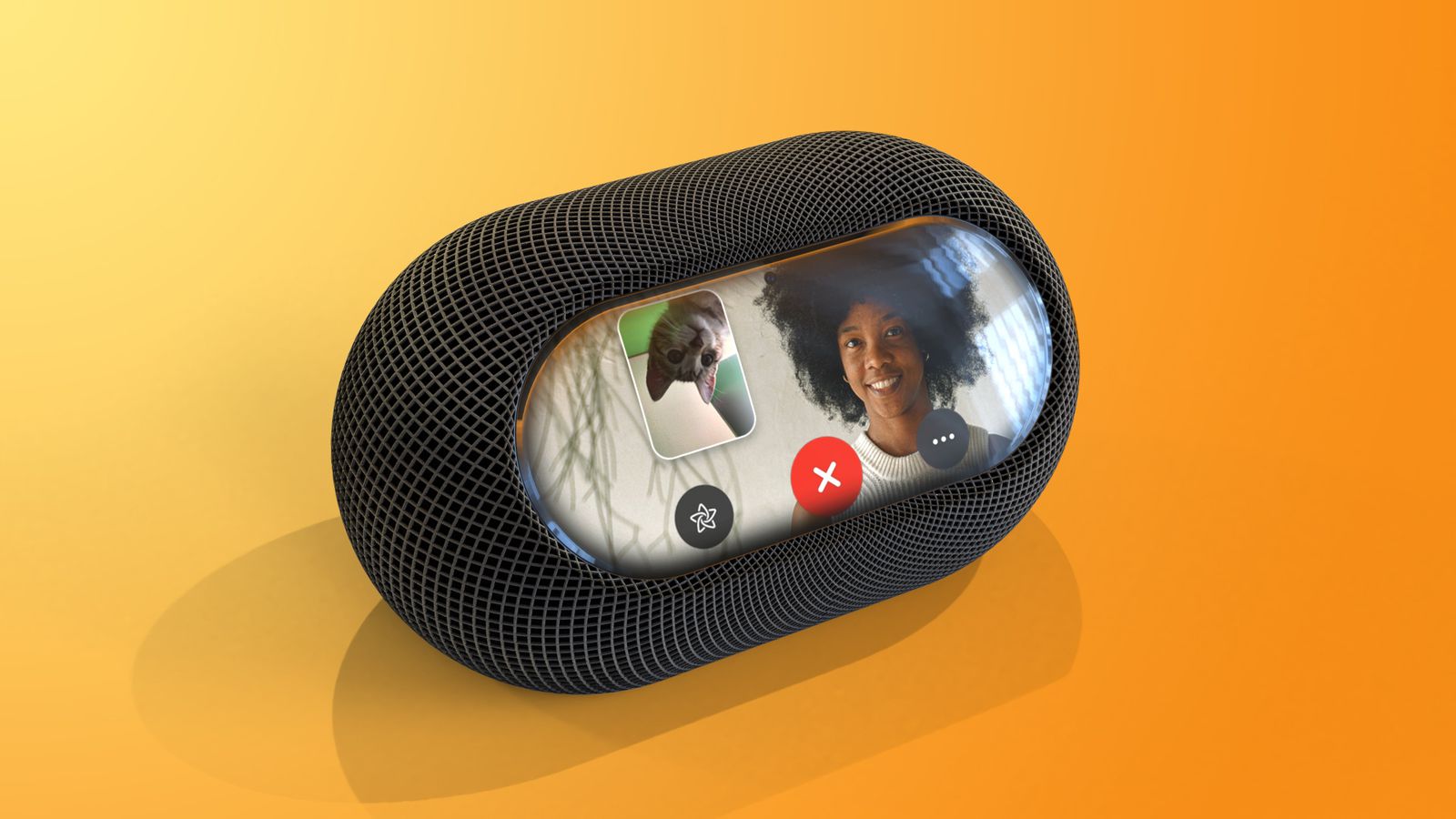
That gap was widely expected to close with the arrival of a long-rumoured device informally known as the “HomePad”, a hybrid between a HomePod speaker and a small iPad-like screen designed to act as the central hub for Apple’s connected home. But the product’s debut has now slipped again.
According to recent reporting, the device — internally referred to as model J490 — is now expected to launch in autumn 2026, after previously being targeted for 2025 and later spring 2026. The reason is not hardware. Instead, the delay points to something far more strategic: Apple’s ongoing effort to reinvent Siri in the age of AI.
The postponement highlights how deeply Apple’s next generation of devices will rely on artificial intelligence. In this case, the company’s smart home ambitions appear to be waiting for its AI assistant to catch up.
A Smart Display Apple Has Never Had
4
The idea behind the HomePad is straightforward but significant.
While Apple offers smart speakers such as the HomePod and HomePod mini, it has never produced a screen-based smart home hub — a category that competitors like Amazon and Google have been developing for years through devices like the Echo Show and Nest Hub.
The HomePad is expected to change that by acting as a central command centre for Apple’s Home ecosystem, allowing users to control lighting, security cameras, thermostats and other connected devices through both voice commands and a visual interface.
Early reports suggest the device will feature:
- a 7-inch display
- a front-facing camera for video calls
- sensors that detect when someone approaches
- deep Siri integration for voice control
- compatibility with HomeKit and Matter smart home devices
The result would be a device positioned somewhere between a HomePod speaker and a compact iPad, designed to sit in kitchens, hallways or living rooms as a permanent control point for the home.
Some prototypes reportedly include wall-mounting capabilities, allowing the display to act as a fixed smart home panel rather than a portable device.
Siri Is the Real Bottleneck
4
Despite the device itself reportedly being close to ready, Apple has chosen not to release it until its next-generation AI assistant is complete.
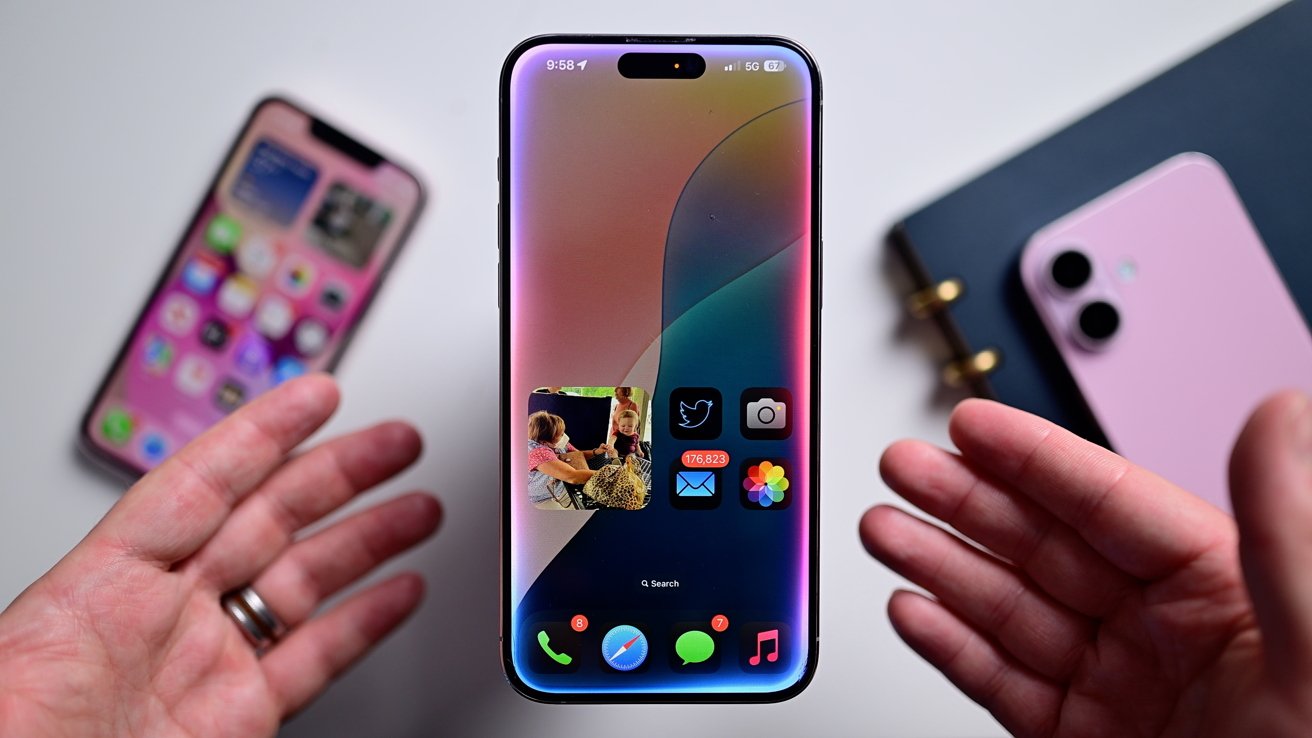
The HomePad is expected to rely heavily on a major overhaul of Siri, often described as a more conversational, chatbot-style version of the assistant. Development of that upgrade has been slower than expected, pushing the launch of several Apple products that depend on it.
Reports indicate the new Siri capabilities are likely to arrive alongside a future software cycle including iOS 27, macOS 27 and tvOS 27, potentially launching with new iPhone hardware in late 2026.
This dependency reveals a broader shift inside Apple.
The company is no longer designing hardware first and software second. Instead, it is increasingly structuring new devices around AI-driven experiences, meaning hardware launches are now tied directly to the readiness of Apple’s artificial intelligence platform.
A Strategic Push Into the Smart Home

4
The HomePad is expected to play a central role in Apple’s long-term smart home strategy.
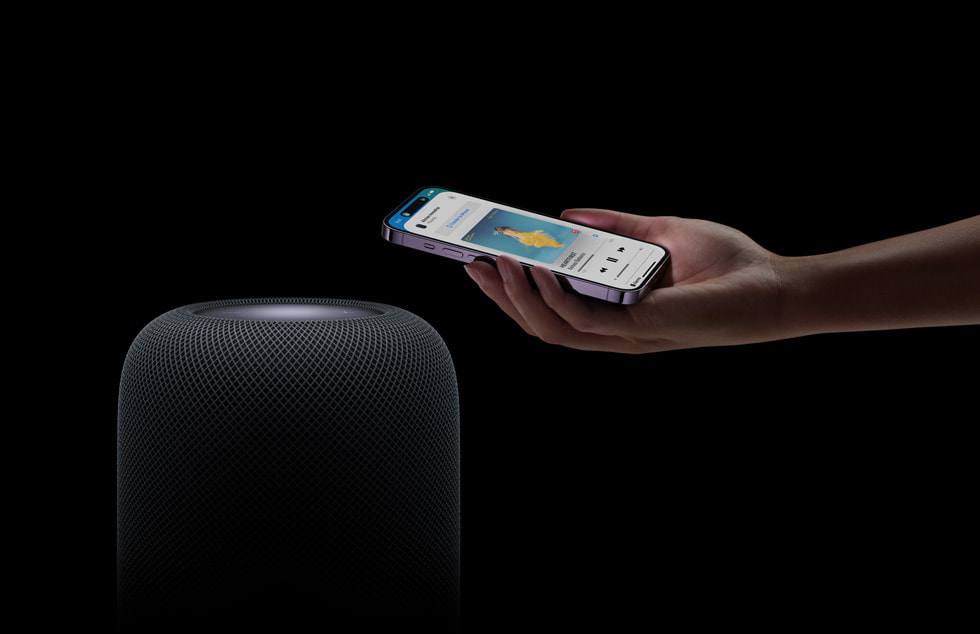
The company has already invested heavily in the infrastructure behind connected homes, particularly through HomeKit, its platform for managing smart devices, and through its involvement in Matter, the industry standard designed to unify smart home ecosystems.
Yet compared with Amazon and Google, Apple still lacks a dedicated always-on visual hub — the type of device that sits in a room displaying weather, calendars, camera feeds and device controls.
That absence has become more noticeable as Apple has gradually shifted away from using iPads as smart home hubs. In its latest architecture update, Apple now expects HomePod speakers or Apple TV devices to act as the central hub instead.
The HomePad would effectively fill the missing piece.
It would provide a permanent display designed specifically for the home, rather than repurposing tablets or phones for the role.
A Second Device May Follow
Interestingly, the HomePad may not be the only smart home device Apple is developing.
Reports suggest Apple is also experimenting with a more advanced version featuring a robotic arm, capable of physically moving the screen to follow users or reposition itself within a room. That device is reportedly targeted for 2027, indicating a longer-term vision for interactive home computing.
If accurate, this would push Apple beyond traditional smart displays toward something closer to a dynamic home assistant, blending robotics, AI and ambient computing.
Watch: Why Apple’s Smart Home Hub Is Taking So Long
The Bigger Picture
Apple’s delayed HomePad is not simply another postponed gadget.
It reflects a deeper transformation inside the company and across the technology industry. Hardware cycles are increasingly tied to AI readiness, and voice assistants are evolving from simple command interfaces into conversational systems capable of managing complex digital environments.
For Apple, the smart home may become one of the most important proving grounds for that transition.
When the HomePad finally arrives, it will not just introduce a new device. It will represent Apple’s attempt to redefine how artificial intelligence lives inside the home — quietly embedded in everyday spaces, always present, and increasingly capable of understanding what people actually want their technology to do.