



Apple’s next generation of iPhone, widely expected as the iPhone 18 series, is generating unusual excitement in the tech world — not for incremental specs, but for what may be one of the biggest visual redesigns in years.
Early leaks and insider whispers suggest that Apple could be preparing to dramatically alter the look of its flagship models, especially the Pro and Pro Max versions, with changes that go far beyond the usual year-on-year tweaks.
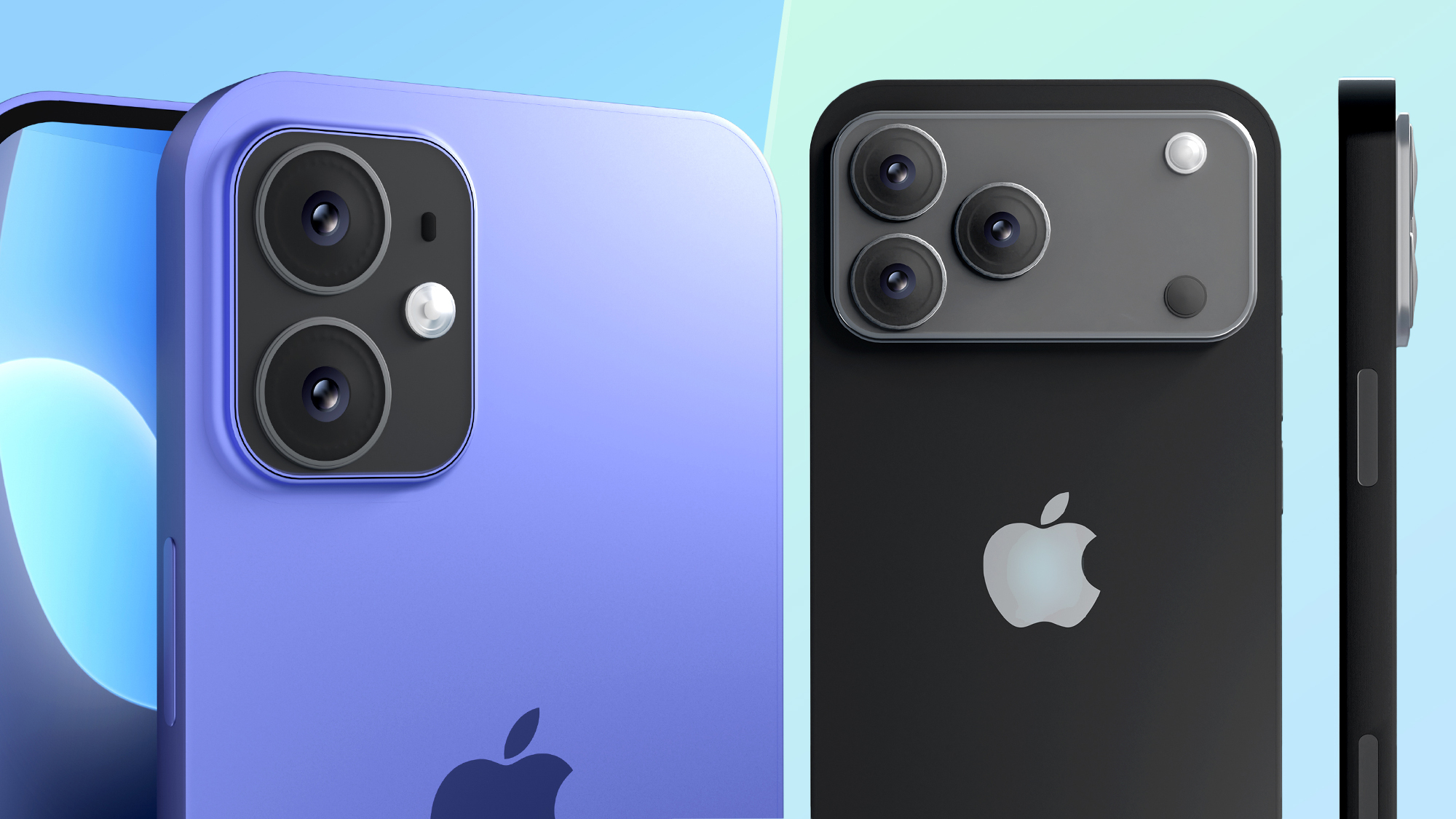
Under-display Face ID and a smaller front cut-out
One of the most talked-about rumours centres on Apple’s Face ID technology — the biometric system introduced more than half a decade ago. Reports indicate that the TrueDepth system could be moved beneath the display, eliminating the pill-shaped cut-out known as the “Dynamic Island” on the Pro models. What would remain visible on the front surface is believed to be a minimal punch-hole for the selfie camera, possibly positioned in a top-corner area of the screen rather than centred. This shift would represent the first major redesign of Apple’s front display since the notch era began.
Such a move would let Apple maximise usable screen area and create a cleaner, more futuristic look — bringing the iPhone’s design closer to many modern Android rivals, which have used under-display sensors or ultra-small holes for years.
What about the standard iPhone 18 and iPhone Air?
According to rumours, this redesign focus may primarily be on the Pro and Pro Max models. The base-model iPhone 18 — and a possible new “iPhone Air” sibling — are expected to keep the Dynamic Island cut-out to maintain a visual distinction within the lineup. All models are likely to feature 120 Hz refresh-rate displays, keeping performance smooth and responsive.
Leaked details also suggest that while display sizes remain similar to the current generation — roughly 6.3 inches for the Pro and 6.9 inches for the Pro Max — the screen experience could feel noticeably different thanks to the reduced intrusion of sensors and cut-outs.
Why this matters
If Apple brings under-display Face ID to its iPhone 18 lineup, it would mark one of the most significant visual changes to the iPhone front in nearly a decade. The original notch, introduced with the iPhone X, has become an iconic design feature — but its replacement could signal Apple’s readiness to push toward a truly edge-to-edge display.
The implications run deeper than aesthetics. A more expansive, uninterrupted screen could improve anything from gaming and video playback to immersive augmented reality experiences — a space Apple has emphasised in recent years.
The bigger picture: cameras, chips and timing
Beyond the display, rumours point to other meaningful upgrades. The Pro family may get Apple’s next-generation A20 Pro chip, promising notable boosts in performance and power efficiency, and camera systems are expected to improve with features like variable apertures and enhanced computational imaging capabilities.
While Apple typically unveils new iPhones in September, some reports hint at a potential staggered launch strategy, where the premium models arrive first and the standard model follows later. This approach could reflect Apple’s desire to spotlight its most advanced models and manage supply constraints.
What to watch next
At this stage, all details remain unofficial and should be treated as rumours. Apple has not yet confirmed any specifics for the iPhone 18 series, and the company often refines or withdraws features as development progresses. That said, the consistency of leaks around under-display Face ID and altered front designs — coming from multiple sources — increases the likelihood that we’re seeing the outlines of the iPhone 18’s future identity.
Whether Apple will truly usher in a new era of display design or ultimately stick with more familiar territory, one conclusion seems clear: the next iPhone launch is shaping up to be one of the most visually intriguing in recent years.