


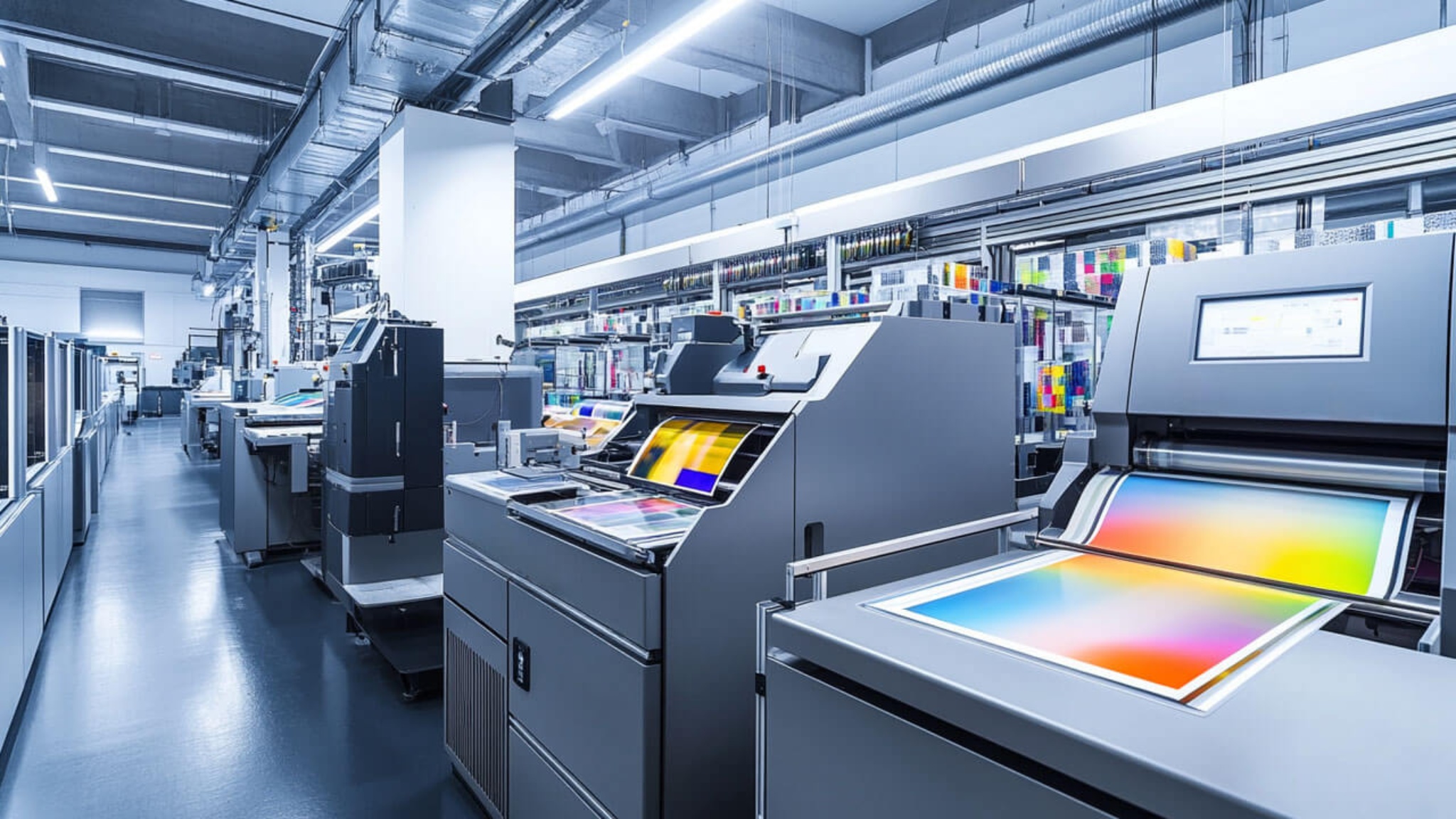
Dental laboratories and practices are increasingly turning to advanced printer technology to transform the way restorative and surgical work is produced. What was once a labour-intensive, multi-step process is becoming faster, more predictable and significantly more efficient — helping teams reduce manual workloads while improving precision and turnaround times.
As digital dentistry matures, next-generation printing systems are emerging as one of the most powerful tools for modernising lab operations.
From manual production to automated precision
Traditional fabrication methods often require extensive hand-finishing, curing and adjustment. By contrast, modern dental printers are capable of producing components that emerge fully cured, highly accurate and ready for use, dramatically reducing the need for post-processing.
Once a case is digitally designed using CAD software, printing can run unattended — often overnight — allowing technicians to return to finished models, guides or appliances that require little more than cleaning before delivery. This shift alone can reclaim hours of skilled labour every week.
Reducing labour without compromising quality
One of the most significant advantages of advanced printer systems is their ability to maintain consistency at scale. Components such as surgical guides, implant models and orthodontic appliances can be produced repeatedly with minimal variation, removing the trial-and-error adjustments that slow down traditional workflows.
By automating repetitive production steps, labs can redeploy skilled technicians toward higher-value tasks such as complex case planning, aesthetics and clinician collaboration — improving both productivity and job satisfaction.
Replicating complex anatomy with confidence
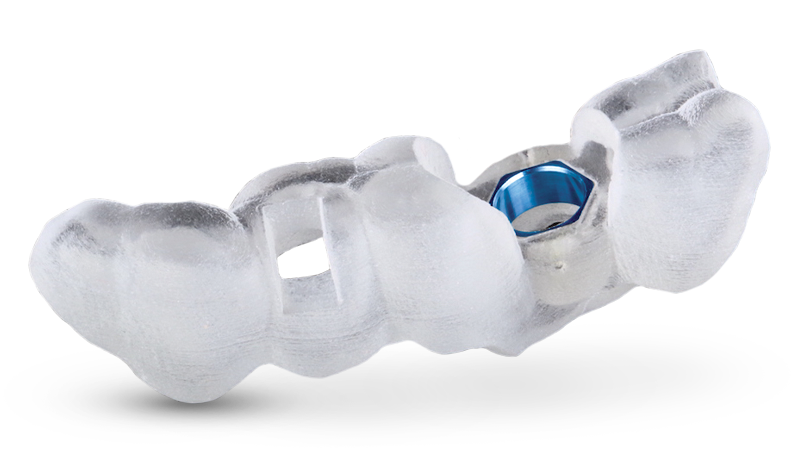
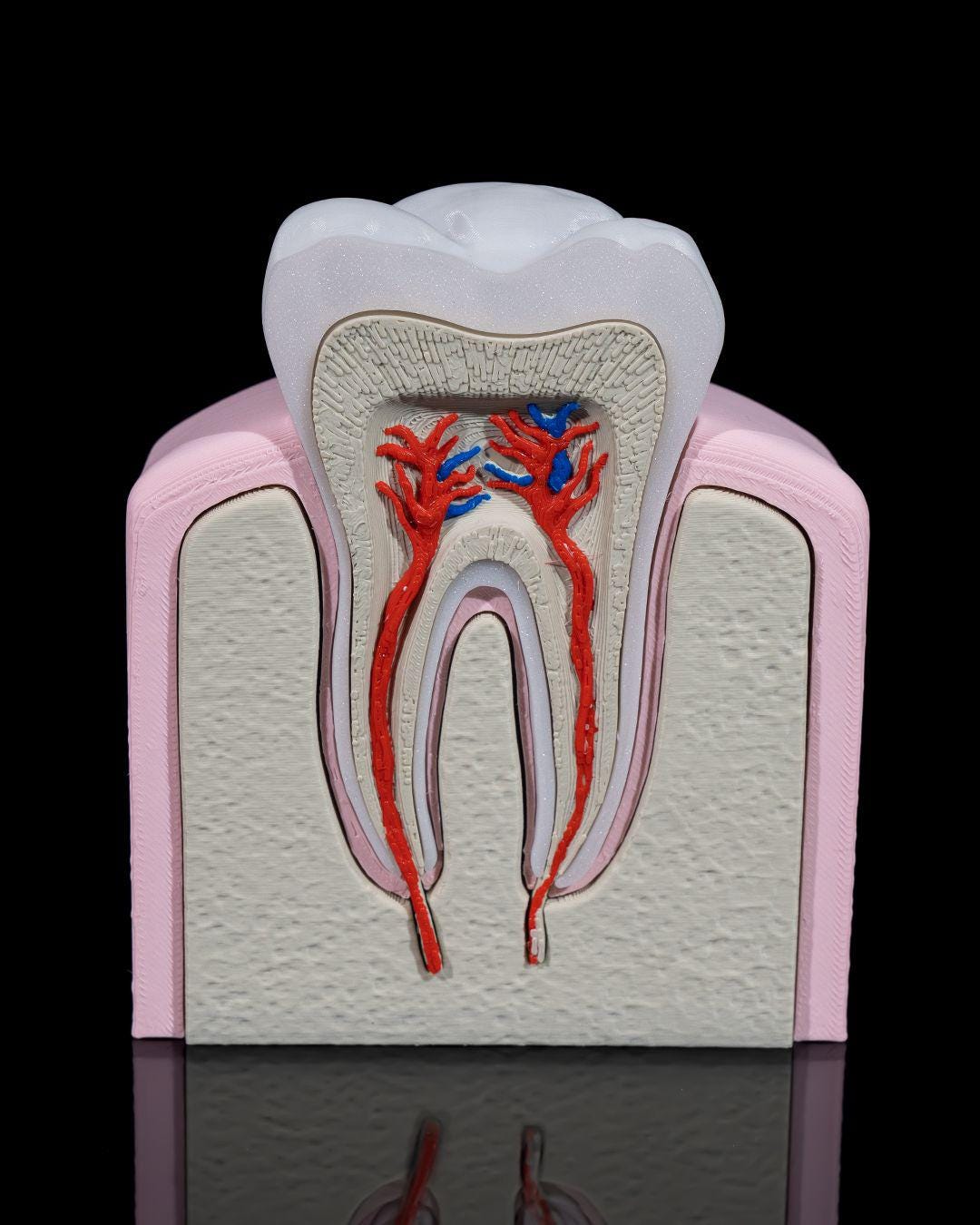
Advanced printers are also redefining what can be visualised and communicated. Multi-material and colour-capable systems allow labs to create detailed anatomical models that clearly distinguish between bone, nerves and surrounding structures.
These physical models give clinicians a tangible understanding of complex cases, supporting safer surgical planning and clearer communication with patients. In many cases, they also help improve treatment acceptance by turning abstract scans into something patients can see and understand.
Streamlining the entire digital workflow
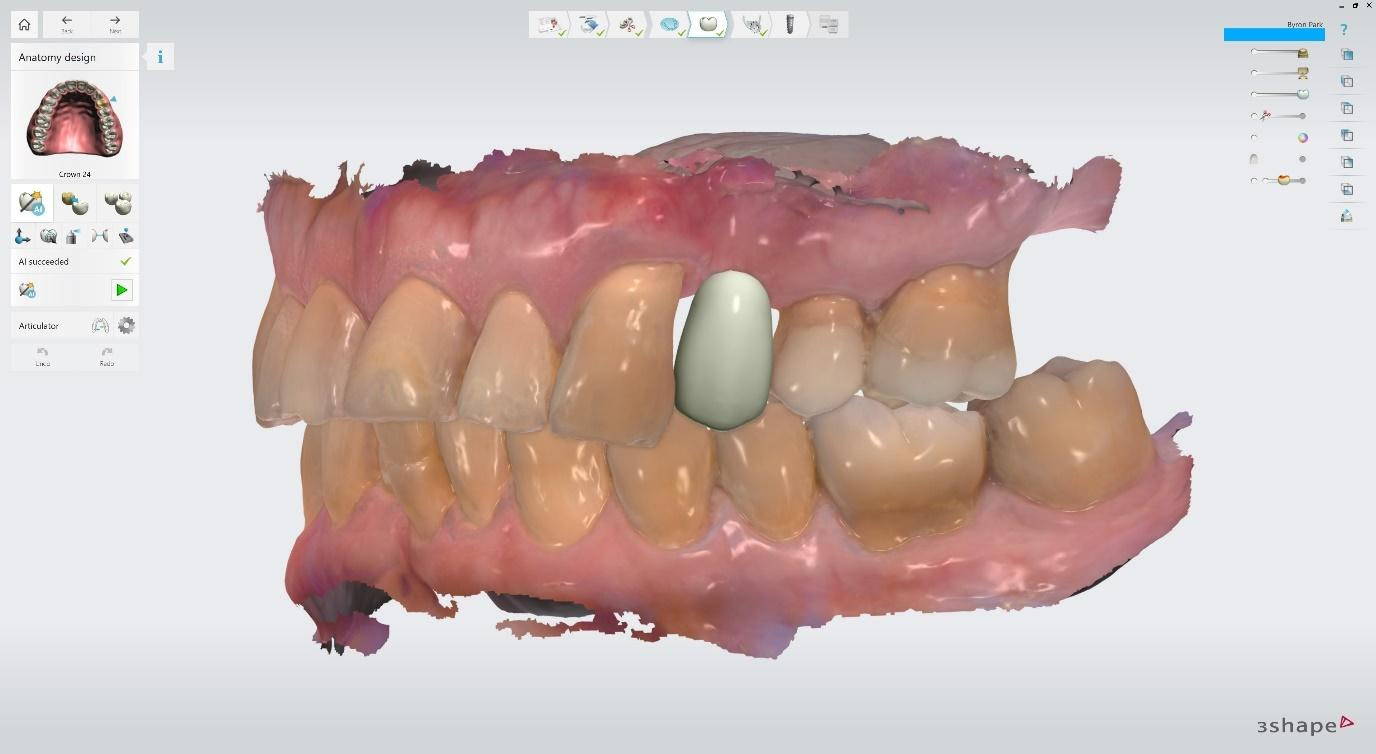
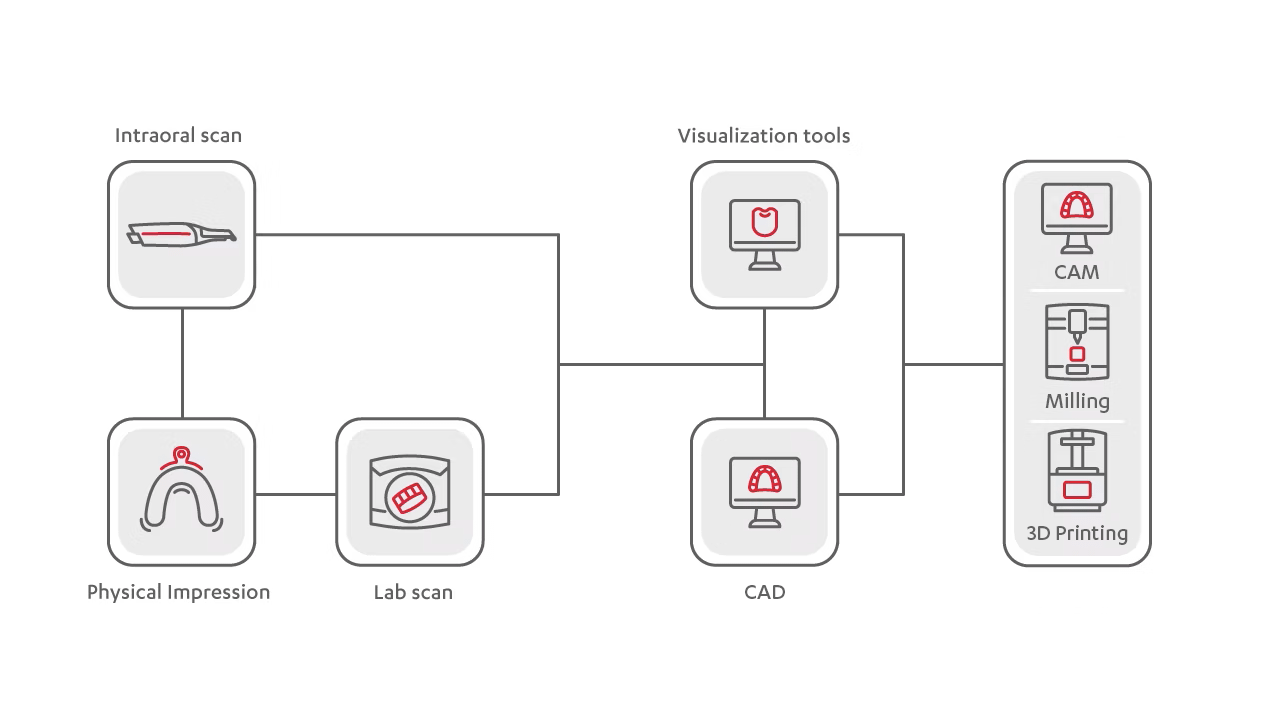
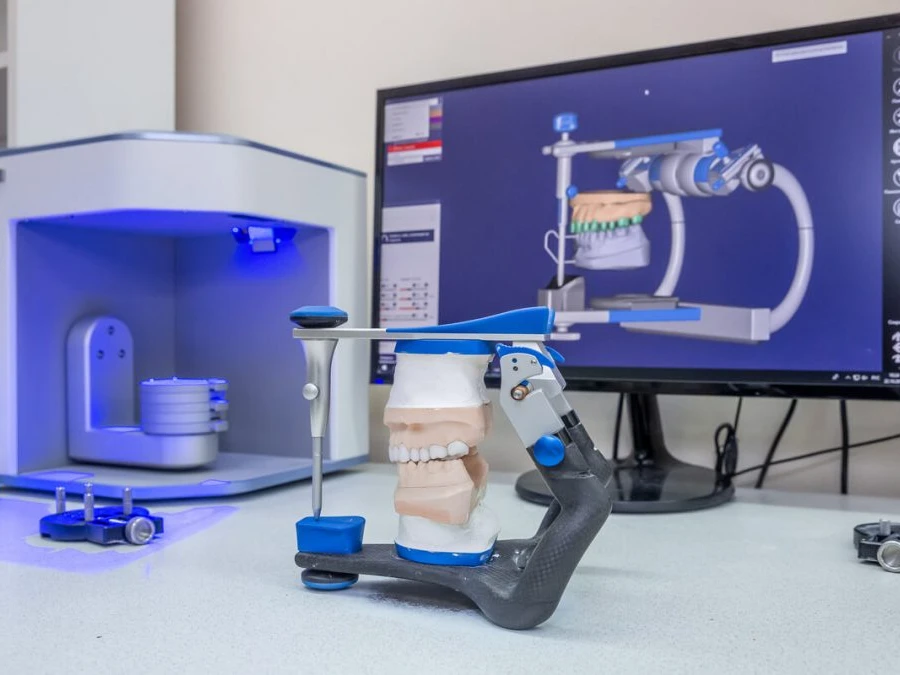
Printer technology now sits at the centre of an increasingly integrated digital ecosystem. Intraoral scanners, CAD design software and automated production are working together to compress timelines and remove friction from the lab-to-clinic process.
For labs, this means:
- Shorter turnaround times
- Greater scheduling predictability
- Reduced outsourcing costs
- Improved consistency across cases
For practices, it translates into faster treatment, better-fitting appliances and a more seamless patient experience.
A competitive advantage for modern labs
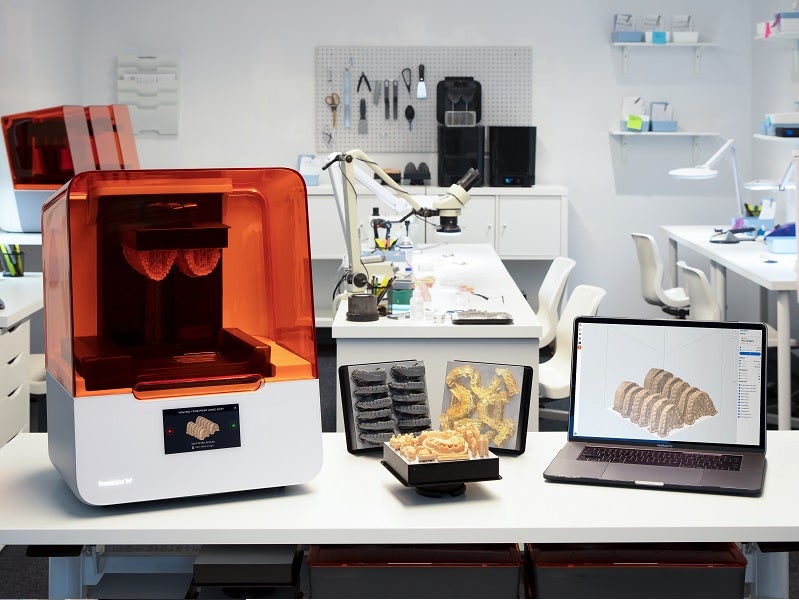
As expectations around speed and precision continue to rise, printer technology is becoming a key differentiator. Labs equipped with advanced systems can take on more complex work in-house, add new service offerings and scale production without proportionally increasing staffing levels.
This combination of efficiency and capability is reshaping the economics of dental manufacturing, particularly as skilled labour becomes harder to source.
The future of dental production
Printer technology is no longer an optional upgrade — it is fast becoming a foundation of modern dental workflows. By reducing manual intervention, improving accuracy and enabling smarter use of skilled labour, advanced printers are helping labs and practices operate more sustainably and competitively.
As digital dentistry continues to evolve, the role of printer technology will only expand — supporting faster innovation, better clinical outcomes and a more efficient future for the profession.