


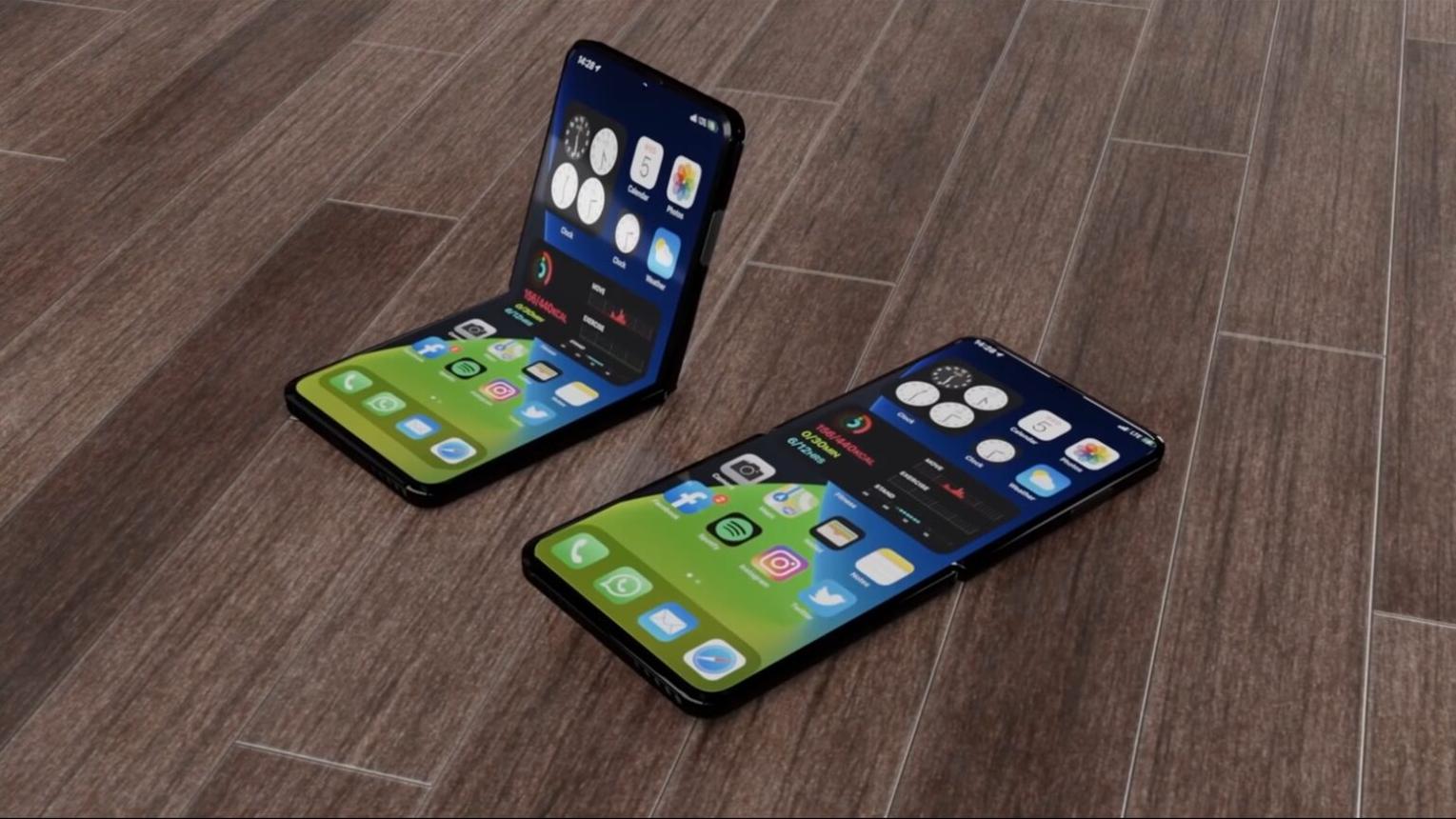
For years, Apple’s foldable ambitions have been one of the technology industry’s worst-kept secrets. While competitors such as Samsung Electronics, Huawei and Honor have spent years refining foldable devices, Apple has remained conspicuously absent from the category.
That may be about to change.
Newly leaked dummy units and design renders have provided the clearest look yet at what could become Apple’s first foldable iPhone, offering a glimpse into a device that appears determined to rethink the foldable experience rather than simply follow the path established by its rivals. According to multiple reports and industry leaks, the device is expected to arrive in late 2026 and could represent one of Apple’s most significant hardware launches since the original iPhone.
A Different Take on the Foldable Formula

Unlike many existing foldable smartphones that adopt a tall, narrow form factor, Apple’s design appears to embrace a wider, more compact “passport-style” layout. When unfolded, the device is expected to offer an almost tablet-like experience, with rumours pointing towards a 7.8-inch internal display and a 5.5-inch external screen. The proportions are said to mirror the familiar 4:3 aspect ratio found on the iPad, potentially making the device feel more natural for reading, productivity and media consumption.
The leaked dummy units also reveal a remarkably thin profile. Current reports suggest the device could measure just 4.5mm when opened, making it thinner than any iPhone Apple has produced to date. Titanium construction is expected to play a key role in maintaining durability while keeping weight under control.
This focus on thinness could prove critical. One of the biggest criticisms of foldable devices has always been their bulk compared with conventional smartphones. Apple appears determined to address that concern from the outset.
The Crease Problem Apple Wants to Solve
One of the most intriguing aspects of the leaks is Apple’s reported obsession with eliminating the display crease that has become synonymous with foldable devices.
For years, visible creases have represented the biggest compromise in foldable smartphone design. Apple reportedly delayed its entry into the market until it could significantly reduce or potentially eliminate the issue altogether. Industry insiders suggest the company has invested heavily in new display materials, advanced ultra-thin glass and an innovative hinge system designed to create a flatter folding surface.
If successful, Apple could solve one of the category’s most persistent challenges and deliver a foldable display that feels considerably more premium than current alternatives.
Video: A Hands-On Look at the Latest Dummy Models
While Apple has yet to officially acknowledge the project, several technology channels have already begun analysing the latest leaked models.
Foldable iPhone Dummy Unit Hands-On Analysis
The hands-on demonstrations reveal a compact device that transforms into a mini-tablet when opened, giving a much clearer indication of how Apple intends users to interact with the product.
Familiar Apple Design Language

Despite the radical form factor, the foldable iPhone appears unmistakably Apple.
Leaked designs suggest a horizontal dual-camera system reminiscent of the company’s recent minimalist camera layouts. The external display reportedly stretches nearly edge-to-edge, while subtle curves soften the overall appearance. Some reports also indicate that Apple may abandon Face ID in favour of a side-mounted Touch ID sensor, a move that would free up valuable internal space and contribute to the device’s slim profile.
Another notable detail is the possible relocation of volume controls to the top edge of the device, a departure from traditional iPhone design that reflects the engineering compromises required by the foldable form factor.
Premium Technology Comes at a Premium Price
If the rumours prove accurate, Apple’s first foldable iPhone will not be aimed at the mainstream market.
Analysts currently expect pricing to fall somewhere between $1,800 and $2,500, positioning the device firmly within the ultra-premium segment and placing it in direct competition with flagship foldables from Samsung and other manufacturers.
Reports also suggest Apple may incorporate a liquid-metal hinge, advanced cooling technology and a new generation of processors specifically optimised for multitasking across the larger display. These innovations would help justify the premium price tag while highlighting the company’s ambition to deliver more than simply a folding screen.
Why This Launch Matters
Apple’s arrival in the foldable category has the potential to reshape the entire market.
While foldable smartphones have existed for several years, they remain a relatively niche product segment. Apple’s entry could provide the validation many analysts believe the category needs to move into the mainstream. Industry forecasts already predict significant growth in foldable shipments during 2026, driven largely by anticipation surrounding Apple’s launch.
The company has often succeeded by entering markets later than competitors but refining the user experience in ways that drive wider adoption. The original iPhone, Apple Watch and AirPods all followed that pattern.
The foldable iPhone may be next.
The Beginning of Apple’s Foldable Era

Whether Apple ultimately brands the device as the iPhone Fold, iPhone Ultra or something entirely different remains unknown. What is becoming increasingly clear, however, is that the company is preparing a serious entry into the foldable market.
The latest leaks paint a picture of a device focused on solving the very problems that have prevented foldables from reaching mass adoption, namely thickness, durability, display creases and usability.
If Apple can deliver on those promises, the foldable iPhone may become far more than another premium smartphone. It could represent the next major evolution of the iPhone itself, bringing together the portability of a phone and the versatility of a tablet in a single device. For a company built on redefining categories, that sounds exactly like the kind of challenge Apple has been waiting for.