


For years, Siri has been one of the most recognisable names in consumer technology. It helped popularise the concept of voice assistants long before AI became the defining technology trend of the decade. Yet as competitors such as ChatGPT, Gemini and Claude pushed conversational AI into new territory, Siri increasingly felt like a product struggling to keep pace.
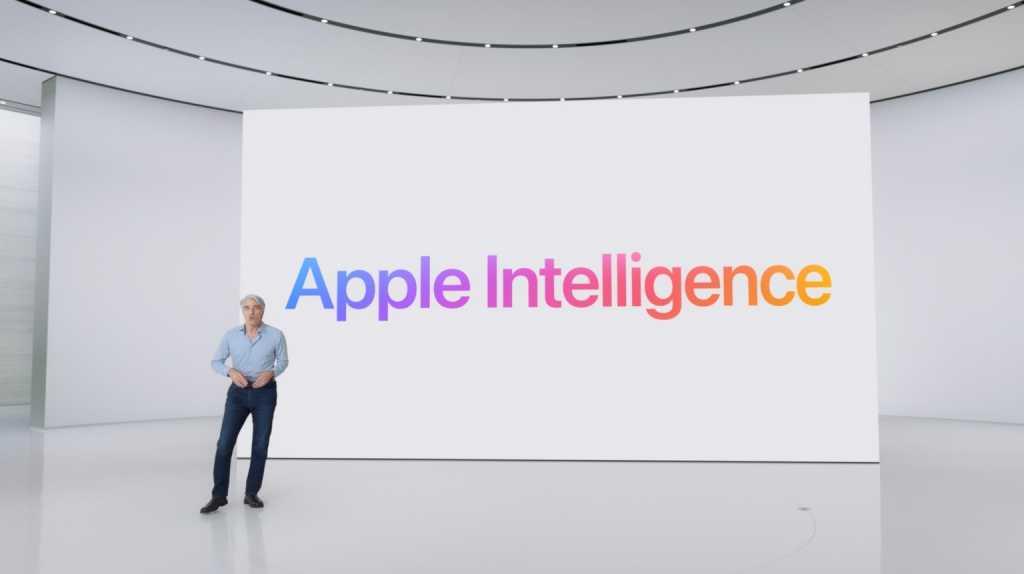
That changed dramatically at Apple’s Worldwide Developers Conference 2026, where the company unveiled Siri AI, the most significant transformation of the assistant since its original debut in 2011. Rather than simply adding a handful of AI features, Apple has rebuilt Siri from the ground up, creating an assistant designed to understand context, remember personal information and interact naturally across the entire Apple ecosystem.

More Than a Voice Assistant
Apple describes Siri AI as a profoundly more capable and personal assistant powered by the next generation of Apple Intelligence. Unlike previous versions that primarily responded to direct commands, the new Siri is designed to understand personal context, on-screen content and broader conversational intent.
Imagine asking Siri about a flight mentioned in an email, a restaurant recommended in a text message or a photo taken months ago. Rather than requiring users to manually locate that information, Siri can now search across messages, emails, photos and other personal data to deliver relevant answers in real time. Apple believes this deeper understanding of personal information will make interactions feel far more natural and useful.
The result is an assistant that behaves less like a voice-controlled search engine and more like a genuine digital companion that understands the user’s daily life.
“A profoundly more capable and personal assistant.”
— Apple, WWDC 2026
Understanding What You’re Looking At
One of the most impressive additions is Siri’s new on-screen awareness. The assistant can understand what is currently displayed on an iPhone, iPad or Mac and use that context to provide assistance without requiring detailed explanations from the user.
This means users can ask questions about content visible on their screen, receive help completing tasks or request actions based on what they are currently viewing. The feature moves Siri closer to the contextual intelligence that has become a hallmark of modern AI systems.
Combined with improved conversational abilities, Siri can maintain more natural dialogue, understand follow-up questions and handle increasingly complex requests without requiring users to repeat information.
Apple’s AI Strategy Finally Comes Into Focus
For much of the past two years, Apple has faced criticism for appearing cautious in the generative AI race. While rivals aggressively launched AI chatbots and productivity tools, Apple focused heavily on privacy, on-device processing and gradual integration.
The introduction of Siri AI signals that Apple’s long-term strategy is finally taking shape. Rather than building a standalone chatbot, the company is embedding artificial intelligence directly into the operating system, allowing Siri to work across apps, services and devices in ways third-party assistants simply cannot.
This deep integration allows Siri to perform tasks such as locating information across apps, helping manage schedules, editing content and surfacing relevant personal data without forcing users to switch between multiple applications. Apple’s goal is not merely to answer questions but to actively help users accomplish tasks.

Privacy Remains Central
While many AI companies rely heavily on cloud processing and extensive data collection, Apple continues to position privacy as a key differentiator. Siri AI combines on-device intelligence with secure cloud processing where necessary, aiming to deliver advanced capabilities without sacrificing user privacy.
This approach reflects Apple’s longstanding philosophy that personal information should remain protected while still enabling powerful user experiences. As AI becomes increasingly integrated into everyday life, privacy may become one of the most important competitive battlegrounds in the industry.
The Siri Apple Always Wanted
Perhaps the most remarkable aspect of the announcement is what it represents for Apple’s broader AI ambitions. Siri has often been viewed as a product that pioneered the category but failed to evolve as quickly as competitors. Critics regularly pointed to limitations in contextual understanding and conversational flexibility, while newer AI systems demonstrated capabilities far beyond traditional voice assistants.
With Siri AI, Apple is effectively drawing a line under that chapter. The assistant is no longer being positioned as a simple voice interface but as the central intelligence layer connecting every Apple device and service.
A Defining Moment for Apple Intelligence
The unveiling of Siri AI may ultimately be remembered as one of the most important announcements of WWDC 2026. More than a feature update, it represents Apple’s clearest statement yet about how artificial intelligence will shape the future of its ecosystem.
For users, the promise is straightforward: technology that understands them better, requires less effort and works more naturally in the background. For Apple, it is an opportunity to transform one of its oldest digital products into one of its most important.
After years of anticipation, delays and speculation, Siri has finally received the reinvention many believed it needed. The question now is not whether Siri can keep up with the AI revolution, but whether Apple’s uniquely personal approach might help define its next chapter.