


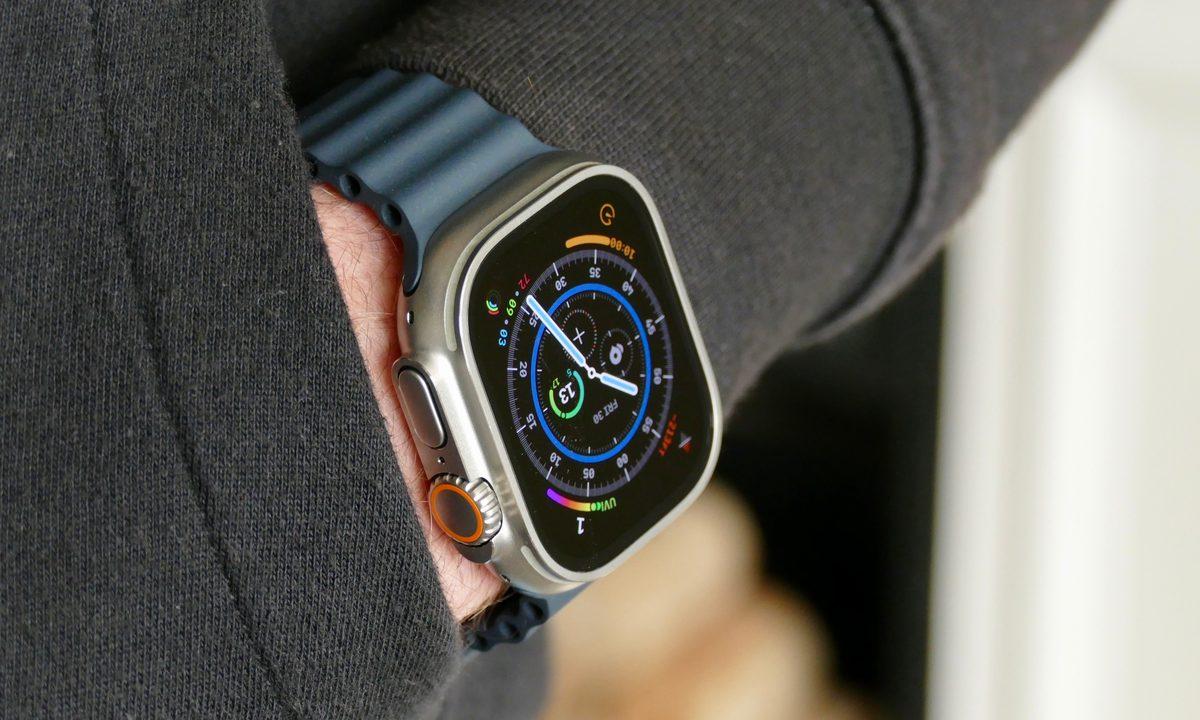
For years, the Apple Watch Ultra has positioned itself as Apple’s most ambitious wearable. Built for endurance athletes, divers, hikers and power users, the Ultra line introduced a more rugged identity to the smartwatch market while maintaining Apple’s clean ecosystem integration. But according to multiple reports surrounding the upcoming Apple Watch Ultra 4, the next generation may represent far more than just another yearly upgrade.
Leaks and industry speculation suggest Apple is preparing a meaningful redesign alongside new health-focused functionality, including long-rumoured blood pressure monitoring technology. If accurate, the Ultra 4 could signal Apple’s biggest step yet toward transforming the smartwatch from a lifestyle accessory into a genuinely advanced health and wellness device. (macrumors.com)

Apple Is Reportedly Preparing a More Refined Ultra Design
While the Apple Watch Ultra introduced a more industrial and rugged appearance compared to the standard Apple Watch lineup, some users criticised the first generations for feeling bulky and overly utilitarian. Reports now suggest Apple may refine the Ultra 4’s design language while maintaining its premium titanium construction and adventure-focused identity.
Industry speculation points toward a slimmer chassis, improved display efficiency and potentially narrower bezels designed to modernise the watch visually without losing the Ultra’s recognisable silhouette. Apple has increasingly focused on making its products feel more seamless and wearable over long periods, particularly as smartwatches evolve into all-day health companions rather than occasional fitness tools.
The Ultra line also represents something strategically important for Apple. It allows the company to compete within the growing luxury-performance wearable market alongside brands traditionally associated with endurance sports and premium outdoor equipment. The balance between rugged capability and luxury design has become central to the Ultra’s identity.
Blood Pressure Monitoring Could Be the Headline Feature
The most significant rumour surrounding the Apple Watch Ultra 4 is the possible introduction of blood pressure tracking functionality. According to reports discussed by MacRumors, Apple is exploring a system designed to detect signs of hypertension and alert users when elevated blood pressure patterns are identified.
Unlike traditional medical blood pressure monitors, early reports suggest the feature may not initially provide exact systolic and diastolic readings. Instead, the system would focus on trend detection and health warnings, helping users identify potential long-term cardiovascular concerns before symptoms become more serious.
That direction aligns closely with Apple’s broader health strategy. Rather than positioning the Apple Watch as a replacement for medical equipment, Apple increasingly focuses on preventative wellness monitoring and behavioural awareness. Features like ECG monitoring, blood oxygen tracking and irregular rhythm notifications have already pushed the smartwatch far beyond simple fitness tracking.
If blood pressure monitoring arrives successfully, it would represent another major milestone in wearable healthcare technology.
Wearables Are Becoming Personal Health Platforms
The evolution of the Apple Watch reflects a much larger shift happening across consumer technology. Smartwatches are no longer viewed simply as notification devices or step counters. They are increasingly becoming continuous health-monitoring platforms integrated into daily life.
This transition is reshaping the entire wearable technology industry. Consumers now expect smartwatches to provide meaningful health insights alongside communication and productivity features. Sleep tracking, recovery analysis, stress management and cardiovascular monitoring have all become central selling points rather than secondary extras.
Apple’s advantage remains its ecosystem integration. The company’s ability to combine hardware, software and health data within a tightly controlled environment allows the Apple Watch to feel more seamless than many competing devices. The Ultra line pushes that even further by targeting users who prioritise both performance and durability.

The Competition Around Premium Wearables Is Intensifying
The smartwatch market has become increasingly competitive over the last two years. Companies including Samsung, Garmin and Huawei continue investing heavily into advanced health metrics, battery optimisation and performance-focused wearable ecosystems. Many rivals now offer multi-day battery life and highly specialised fitness tracking features that appeal strongly to endurance athletes and outdoor enthusiasts.
Apple’s challenge has always been balancing performance innovation with simplicity and mass-market usability. Unlike some competitors that cater heavily toward technical sports analytics, Apple typically prioritises accessibility and ecosystem convenience.
That strategy has worked remarkably well commercially, but expectations around health innovation continue rising. Blood pressure monitoring would allow Apple to remain at the forefront of mainstream wearable health technology while strengthening the Apple Watch’s position as an essential everyday device rather than a niche fitness product.
Battery life will also remain a major talking point. While the Ultra line improved significantly over standard Apple Watch models, consumers increasingly expect longer endurance from premium wearables. Reports suggest Apple may continue refining power efficiency through display and processor optimisation, though major battery breakthroughs remain uncertain. (macrumors.com)
Why the Apple Watch Ultra Matters Beyond Technology
What makes the Apple Watch Ultra particularly interesting is how successfully it blends technology with lifestyle branding. Apple no longer markets the device purely as a piece of consumer electronics. The Ultra is presented as part of a broader identity centred around movement, exploration, wellness and performance.
That positioning reflects wider changes within luxury technology itself. Consumers increasingly gravitate toward products that feel integrated into personal identity rather than simply functional. Smartwatches now sit somewhere between fashion accessory, fitness equipment and healthcare tool.
The Ultra line captures all three worlds simultaneously.
Apple’s product strategy increasingly revolves around creating devices that feel emotionally embedded within daily routines. The Apple Watch is arguably the clearest example of that philosophy. For many users, it has evolved from an optional accessory into something that actively shapes behaviour, exercise habits and even long-term health awareness.

The Future of Smartwatches Is Becoming More Human
The Apple Watch Ultra 4 may ultimately represent something larger than a hardware refresh. It reflects the broader direction of consumer technology itself. Devices are becoming less focused on raw technical specifications and more focused on continuous personal integration.
Health monitoring, behavioural insights and predictive wellness tools are increasingly shaping the future of wearables. Smartwatches are evolving into proactive systems designed to identify problems before users even recognise them themselves.
That future raises important questions around privacy, medical responsibility and dependency on wearable ecosystems. But it also highlights how dramatically personal technology has evolved within just a decade.
The original Apple Watch launched as a luxury-connected accessory. The Apple Watch Ultra 4 appears positioned to become something far more sophisticated: a wearable platform designed around the future of preventative health, performance tracking and lifestyle integration.
And in an increasingly crowded wearable market, that may be exactly what keeps Apple ahead.