


The smartphone market has become predictable. Most devices now follow the same formula: flat edges, muted colours, oversized camera modules and software experiences that feel increasingly interchangeable. That is exactly why Nothing continues to stand out.
With the release of the Nothing Phone 4a Pro, the London-based technology company is once again attempting to challenge the idea that mid-range smartphones need to feel generic. According to Nothing, the Phone 4a Pro was designed to deliver a more premium experience without entering flagship pricing territory, combining aluminium construction, a distinctive Glyph Matrix interface and a refined version of Nothing OS. The result is a device that feels intentionally different in a market increasingly dominated by safe design decisions.

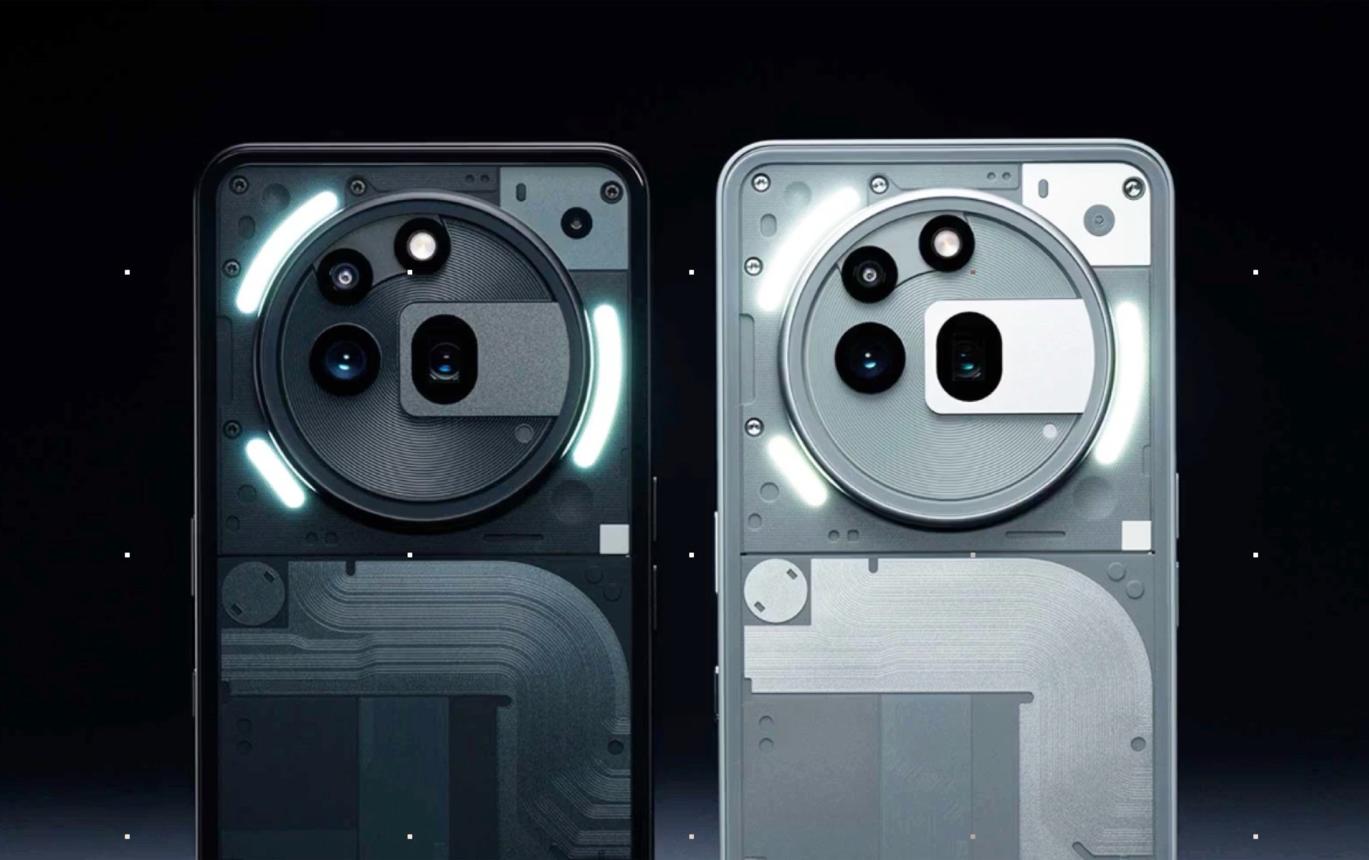
At first glance, the Nothing Phone 4a Pro immediately separates itself from traditional Android competitors. Earlier Nothing devices leaned heavily into transparent industrial aesthetics, but the new model introduces a more mature aluminium-focused design language that still retains the brand’s playful identity. Multiple reviewers described the handset as more premium and substantial in the hand, with the metal body giving the device a level of refinement rarely associated with mid-range smartphones.
The standout visual feature remains the Glyph Matrix system on the rear of the device. Unlike standard notification LEDs, Nothing uses a circular dot-matrix display that can present notifications, timers, widgets and visual alerts directly on the back of the phone. It is one of the most unconventional smartphone design choices currently available and continues Nothing’s philosophy of turning hardware interaction into part of the experience itself. While some reviewers questioned how practical the feature truly is, most agreed that it gives the device personality in an industry where very few products feel visually memorable anymore.
Underneath the design, the Phone 4a Pro positions itself firmly within the upper mid-range smartphone category. The device features a large 6.83-inch OLED display with a high refresh rate, a Snapdragon 7 Gen 4 chipset and up to 12GB of RAM. Reviews consistently praised the display quality, brightness and smoothness, particularly for media consumption and everyday use. Performance is not designed to compete directly with ultra-premium flagship devices, but for most users the experience appears fast, responsive and more than capable for daily tasks.
One of the strongest areas of improvement appears to be the camera system. The inclusion of a dedicated 50MP telephoto lens gives the phone an advantage over many similarly priced competitors, particularly for zoom photography. Several reviewers highlighted the periscope zoom system as one of the most impressive aspects of the device, helping the phone feel more premium than its pricing might suggest. However, reviews also noted that ultrawide performance and low-light photography still lag behind more expensive flagship alternatives.
What continues to define Nothing as a brand, however, is not simply the hardware. It is the software experience surrounding it. Nothing OS remains one of the cleanest and most visually distinctive Android interfaces available, blending minimalist monochrome aesthetics with subtle animations, refined typography and a surprisingly calm user experience. In a world where many Android skins feel overloaded with duplicate apps and aggressive features, Nothing’s approach feels deliberate and restrained.
There is also a growing sense that Nothing understands something many larger smartphone manufacturers have forgotten: technology products now compete emotionally as much as technically. Consumers no longer buy devices purely based on processor benchmarks or camera specifications. They buy products that feel different, expressive and aligned with identity. Nothing has successfully positioned itself closer to a lifestyle technology brand than a traditional smartphone company, borrowing cues from fashion, industrial design and contemporary culture rather than purely engineering-focused branding.
Battery life is another area where the Phone 4a Pro performs strongly. Multiple reviews reported that the device comfortably lasts beyond a full day of use, with some users achieving close to two days under lighter workloads. Combined with fast charging and efficient software optimisation, the phone appears to offer the kind of reliability users increasingly prioritise over raw performance figures.
Still, the device is not without compromises. One of the most commonly repeated criticisms is software support longevity. While companies like Google and Apple now offer extended update commitments stretching well beyond five years, Nothing currently provides a shorter support cycle for the Phone 4a Pro. For a device positioned as premium mid-range hardware, some reviewers argued that longer software support would significantly strengthen its value proposition.
Despite that limitation, the broader reaction to the Nothing Phone 4a Pro has been overwhelmingly positive. The device succeeds because it avoids becoming another anonymous slab of glass and aluminium. It has quirks. It has personality. More importantly, it feels like a product created with intent rather than simply assembled to compete on specifications alone.
That may ultimately be the biggest reason why Nothing continues attracting attention within the technology industry. In a market where most smartphones increasingly feel interchangeable, the company has built an identity around making technology feel expressive again. The Phone 4a Pro may not be the most powerful smartphone of 2026, but it may well be one of the few that people actually remember.