


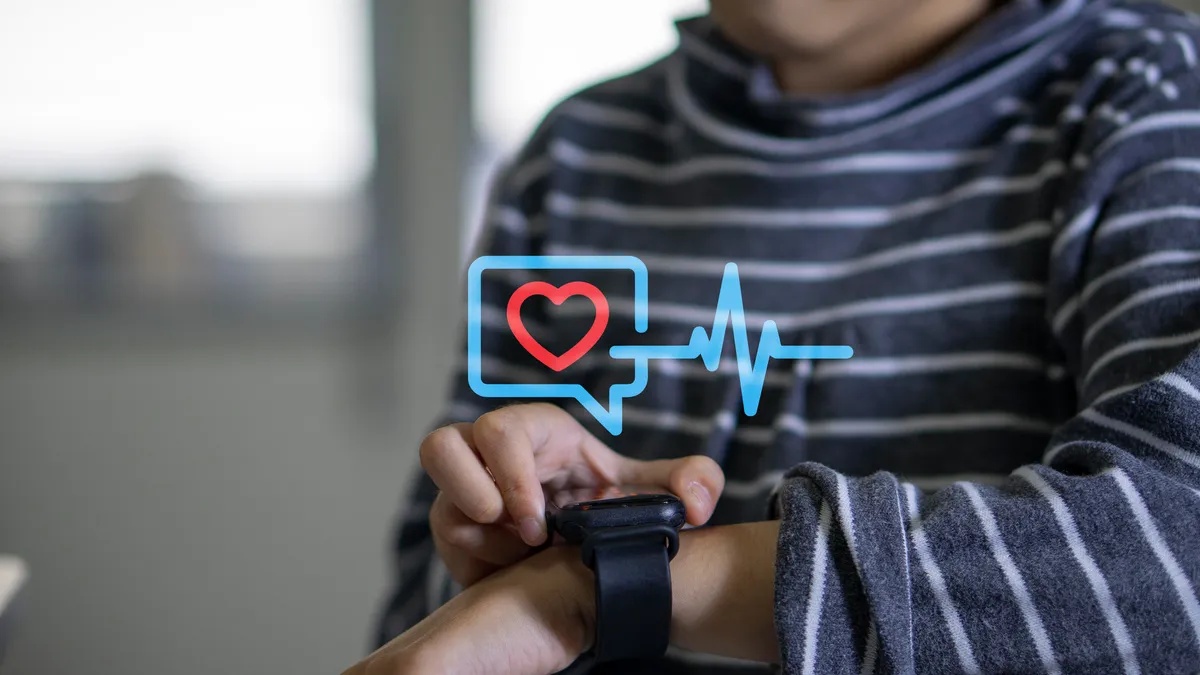
Wearable health tracking is increasingly moving beyond fitness into serious medical-risk detection, and recent research suggests that the Apple Watch could play a role in identifying stroke risk earlier than conventional methods. By continuously monitoring heart rhythm and alerting users to irregular patterns, the device may help flag conditions linked to stroke — particularly atrial fibrillation (AFib) — long before symptoms become obvious.
Apple Watch Health Features in Action
Here’s an example of how wearable heart monitoring is being used in real-world contexts:
This video illustrates how Apple Watch sensors and algorithms can pick up heart irregularities — the same underlying technology being studied for early stroke-risk detection.
Apple Watch health insights, including ECG and irregular rhythm notifications, are pushing wearables into preventive health care.
From Heart Rhythms to Stroke Risk: What the Research Says
Stroke is often triggered by blood clots caused by atrial fibrillation, an irregular heartbeat that can be asymptomatic and therefore unnoticed without monitoring. Traditional clinical tools like short-term ECGs or occasional check-ups may miss intermittent arrhythmias — but wearables continuously gather heart data all day.
In one influential trial, involving older adults at elevated stroke risk, participants using an Apple Watch were found to have significantly higher detection rates of AFib than those receiving standard care. AFib was identified in about four times as many people wearing the device.
These findings suggest that continuous heart-rhythm tracking — such as through photoplethysmography (PPG) and ECG sensors built into Apple Watch models — can uncover hidden irregularities that might otherwise go undiagnosed.
How the Watch Detects Irregular Heart Rhythms
Apple Watch uses two key features:
- Irregular Rhythm Notification — Passively monitors heartbeat patterns and alerts you if something deviates from normal.
- ECG App — Lets you capture a single-lead electrocardiogram, which can be reviewed later by clinicians if needed.
These tools don’t diagnose medical conditions outright, but they highlight patterns that warrant clinical review — a crucial step in earlier identification of risk factors that may lead to stroke.
Why This Matters — Early Detection Saves Lives
According to cardiology research, many people with AFib don’t experience noticeable symptoms — meaning they could be at risk without knowing it. Early detection allows clinicians to intervene with treatments that reduce stroke risk, such as anticoagulants or lifestyle adjustments.
A major study from Amsterdam University Medical Center found that Apple Watch users (aged 65 and older with elevated risk) had AFib detected at a rate far higher than those who received only routine clinical monitoring — reinforcing the potential value of wearable data in preventive care.
Video: Apple Watch Heart Monitoring in Perspective
Here’s another example showing how smartwatches have been used to detect heart irregularities in users:
This clip highlights both the enthusiasm and discussion around wearable health notifications in everyday life.
Limitations and Expert Notes
It’s important to emphasise that while the Apple Watch’s sensors are powerful, they are not a substitute for professional medical diagnosis. Wearable alerts should prompt users to seek clinical evaluation, but they can’t diagnose a stroke or replace a medical ECG. Devices only indicate patterns that need closer review.
Experts also caution that while wearables can be a helpful early signal, the integration of such data into healthcare workflows needs careful handling to avoid over-medicalisation or unnecessary anxiety.
What This Means for Consumers
If you wear an Apple Watch with health monitoring enabled:
- Irregular rhythm alerts may highlight potential AFib episodes earlier than routine screening.
- ECG recordings captured with the Watch can be shared with healthcare providers to support further evaluation.
- Continuous monitoring may increase the chance of detecting silent conditions that predispose you to stroke.
The technology doesn’t replace clinical care, but it can bridge gaps between sporadic check-ups and real-time health insights.
Editorial Perspective
Wearable tech like Apple Watch is increasingly blurring the line between consumer gadget and health partner. As research shows, continuous tracking can offer insights that traditional spot tests miss, particularly for conditions like atrial fibrillation that can quietly increase the risk of stroke.
For individuals at elevated risk — especially older adults — wearables may become a valuable component of preventive health strategies, giving both users and clinicians earlier signals and a better chance to act before serious events occur.