


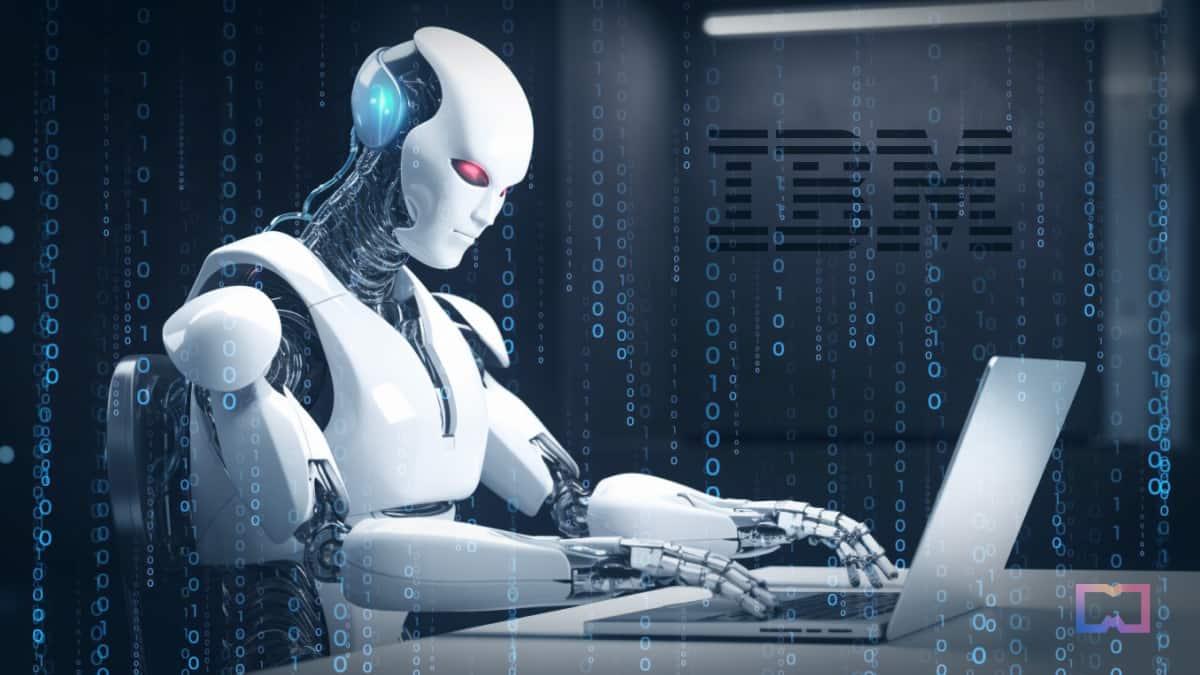
In a landmark move highlighting artificial intelligence’s growing role within global corporations, IBM has automated approximately 94% of its routine HR tasks, resulting in the replacement of hundreds of human resources and learning & development positions with AI-driven solutions. This significant transition underscores the broader corporate trend of leveraging AI technology to streamline operations and reallocate human capital into higher-value roles.
)
IBM’s CEO, Arvind Krishna, clarified that this strategic pivot is less about reducing overall employment and more about redistributing resources towards growth sectors such as programming, sales, and AI consulting. According to Krishna, automating administrative processes has enabled IBM to bolster investments in critical, strategic areas, aligning the company’s workforce with evolving business needs.
Chief Technology Officer Ji-eun Lee provided additional context, revealing that AI integrations across IBM’s 70 business units have collectively generated an impressive $3.5 billion boost in productivity over the past two years. These figures underline the economic advantages associated with embracing AI, encouraging other corporations to consider similar transitions.
IBM has concurrently increased its hiring activities in areas like programming, sales, and AI-focused consulting, reflecting a broader shift towards more complex, creativity-driven roles that AI cannot easily replicate. This hiring surge complements IBM’s expanding AI consulting division, which has secured approximately $6 billion worth of business. Moreover, the company has ambitious plans to invest a further $150 billion in the United States market over the next five years, emphasizing its confidence in AI-driven growth.

This pivotal shift at IBM reflects an industry-wide reconsideration of traditional roles, especially within human resources and administrative functions. The company’s approach signals a new era where routine, rule-based tasks are increasingly managed by artificial intelligence, enabling employees to focus more deeply on strategic decision-making, innovation, and critical thinking.
For HR and learning & development professionals, this transition necessitates reimagining their roles. Industry leaders must now prioritize strategic workforce management, employee engagement, and creative problem-solving capabilities. IBM’s journey illustrates a future workplace where technology and human ingenuity coexist, each amplifying the other’s strengths.