


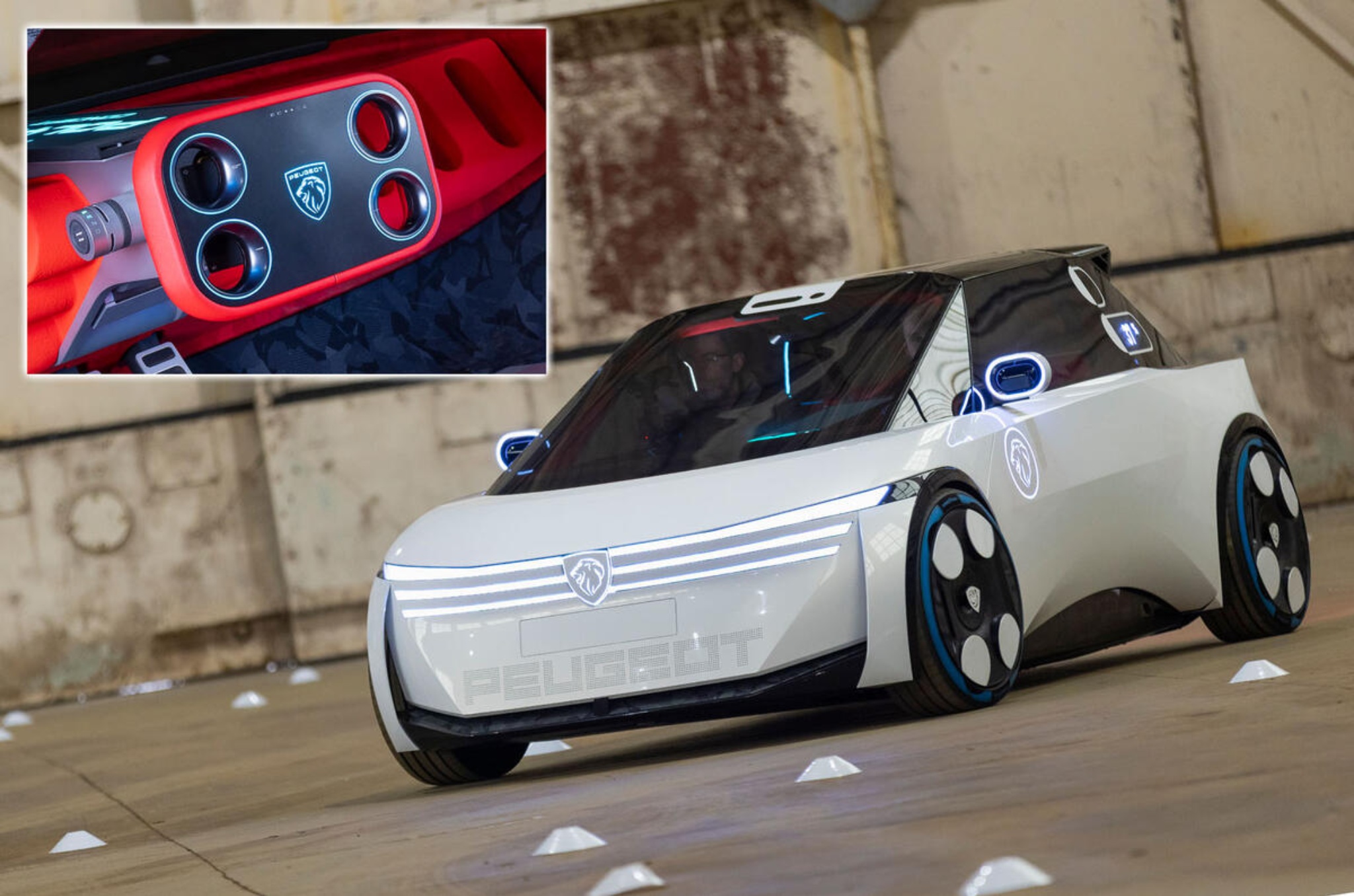
Peugeot’s futuristic Polygon concept is grabbing headlines — not just for its radical looks but for a completely reimagined steering control system that replaces the traditional round wheel with an electronic, rectangular “Hypersquare” setup. Early impressions from journalists who have driven the Polygon question whether this daring layout is genuinely transformative — or mostly a design stunt — as it previews the future of Peugeot’s next-generation small car lineup.
What Is the Polygon’s “Hypersquare” Steering?
Rather than a circular steering wheel, Peugeot’s Polygon concept features an oblong, futuristic controller dubbed the Hypersquare — paired with steer-by-wire technology that eliminates the mechanical link between the steering control and the wheels. This electronic system sends driver input via actuators rather than rods and shafts, letting the car interpret steering commands digitally.
Peugeot says this system can offer highly variable steering ratios depending on speed — extremely quick and agile at low speeds, and more stable at highway pace — while integrating controls for climate, media and driver assistance into the controller itself. The square design also means less turning lock is needed, giving the impression of remarkable responsiveness once drivers adjust.
Early Drive Impressions: Gimmick or Genuine Innovation?
Journalists who have driven the Polygon describe the Hypersquare as less of a gimmick and more of a functional evolution of steering in modern cars:
- Easy low-speed agility: With steer-by-wire and a highly variable ratio, manoeuvring in tight spaces — like parking — feels intuitive once you adapt.
- Adjustable feel: The absence of a direct mechanical link means road vibrations are filtered, so feedback to the hands is simulated and tuned through software.
- Rapid acclimation: Most drivers get used to the unusual shape and feel within minutes, and after that the responsiveness can feel exciting rather than alien.
That said, the system does require a brief learning curve — especially for drivers used to traditional wheels — and some testers noted that without the usual physical feedback from a round steering rim, steering can initially feel unfamiliar.
Beyond Looks: How Hypersquare Works
The Hypersquare isn’t simply a quirky design choice. Unlike most steering wheels, it’s tied into a steer-by-wire system:
- Electronic signals replace the mechanical shaft between the wheel and the front wheels.
- Variable ratios allow the car to change how much steering input results from small or large movements, adapting to speed and conditions.
- Enhanced integration places frequently used controls (e.g., climate, audio, driver assistance) within easy thumb reach without removing hands from the steering interface.
Peugeot executives believe this could usher in a new driving experience that’s more ergonomic and digital-friendly — and ultimately more engaging than traditional wheels alone.
A Glimpse of the Future Peugeot 208
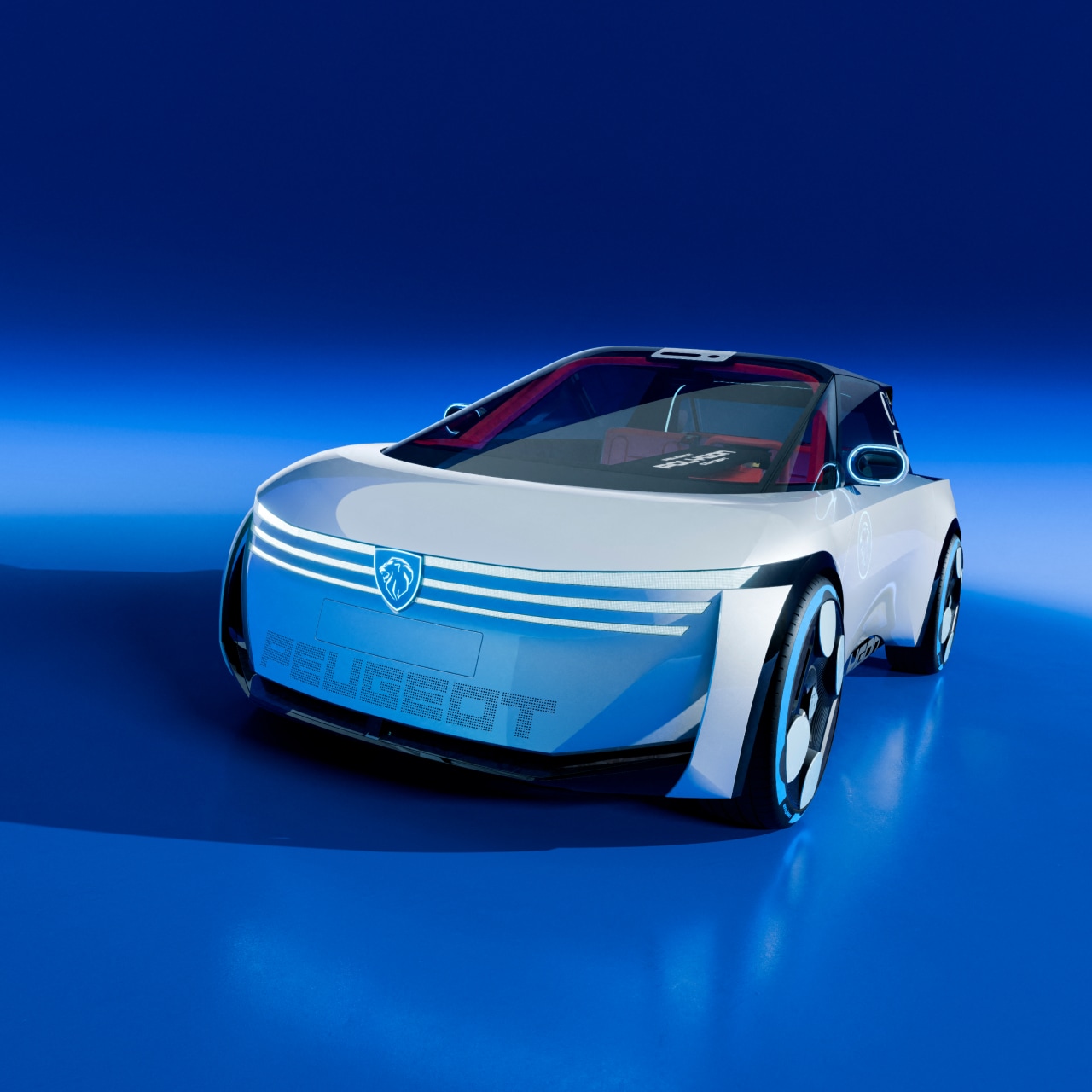
The Polygon concept acts as a preview of Peugeot’s future design direction, especially for its next-generation Peugeot 208 supermini — expected to adopt many of these ideas in production form. The Hypersquare layout and steer-by-wire tech are seen as potential features (possibly as options on certain trims) that would distinguish Peugeot from competitors focused on more conventional cabin layouts.
Peugeot’s CEO has indicated that if accepted by buyers, this steering design could become widespread across future models, although final decisions on where and how it’s offered are still evolving.
Video: Inside the Peugeot Polygon Concept
Watch this in-depth look at the Peugeot Polygon concept car, including its interior design, Hypersquare steering and how the system could reshape future driving experiences:
This video gives a closer sense of how Peugeot’s radical controls and cabin environment work in a concept setting.
What It Means for Driving and Automotive Design
The Hypersquare steering — and steer-by-wire generally — hasn’t been widely used in mainstream cars yet, but Peugeot’s concept highlights several potential long-term impacts:
- Enhanced ergonomics: The controller’s shape and button layout aim to keep driver focus without repeated hand repositioning.
- Software-defined feedback: Traditional mechanical road feel can be tuned or simulated, enabling new dynamics and comfort levels.
- Future cockpit integration: With controls and displays moving digital and integrated, the Hypersquare could help streamline interior layouts.
However, whether drivers universally embrace this non-circular steering remains open — some will long for familiar wheels, while others may appreciate the leap toward futuristic control.
Key Takeaways
- The Peugeot Polygon concept features a radical Hypersquare steering controller and steer-by-wire technology that foregoes traditional mechanical steering.
- Early drive impressions suggest it’s more than a gimmick — offering enhanced responsiveness, agility and integrated controls once drivers adapt.
- This system could preview design and tech in the next-generation Peugeot 208 and other future models.
- Even though unusual at first glance, the Hypersquare could point toward a new age of cockpit design and driver interaction.