


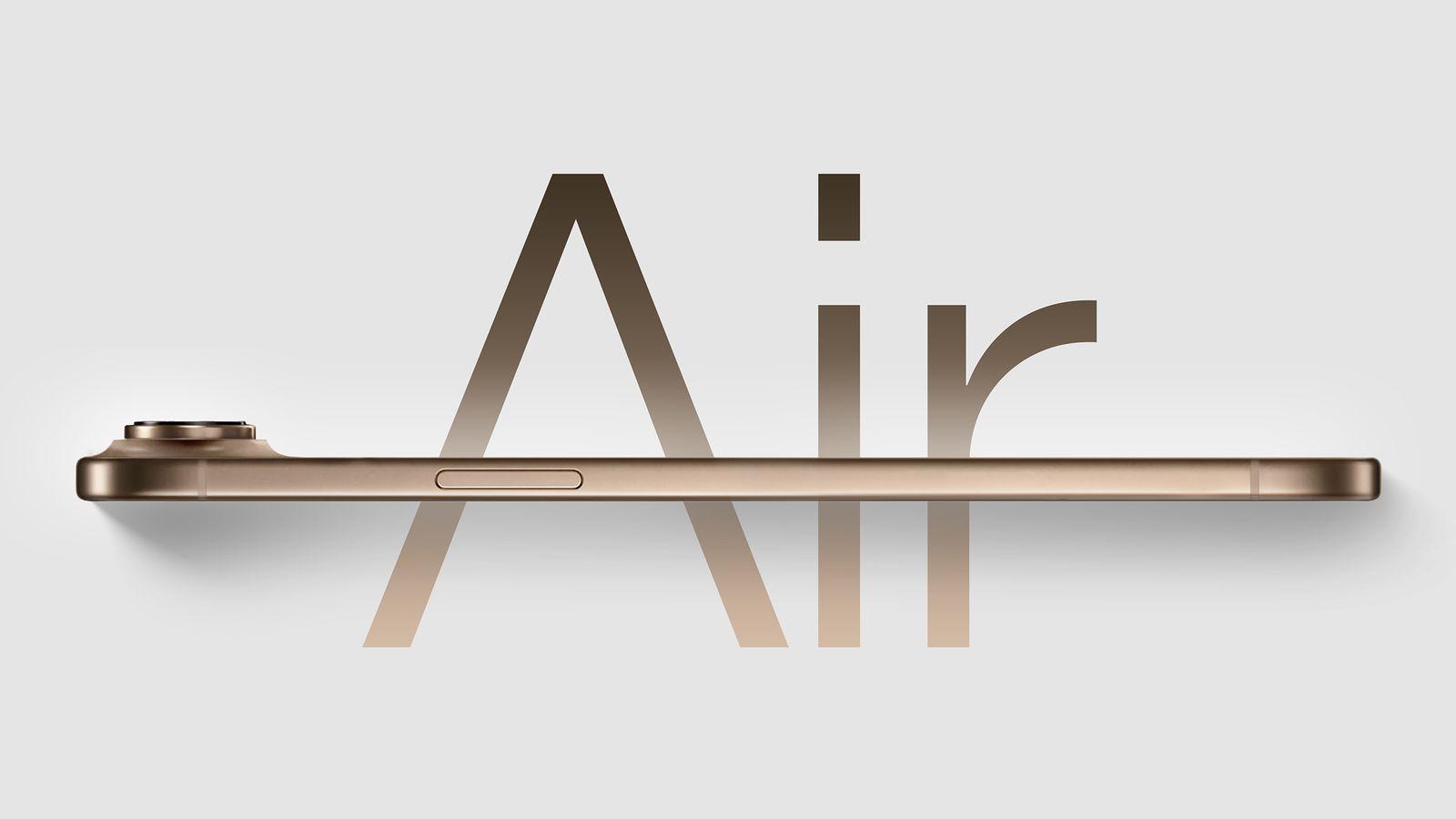
Apple is reportedly preparing to launch the iPhone 17 Air this September 2025. This model combines an ultra-slim profile, new battery chemistry, and fresh design—all at the heart of a potential “Air” range akin to its MacBook lineage. Here’s what we know:
Featherlight & Elegant by Design
- Slated to be Apple’s slimmest-ever iPhone, measuring just 5–6 mm thick—significantly thinner than the iPhone 16’s 7.8 mm and Pro’s 8.25 mm .
- A 6.6‑inch OLED ProMotion display (120 Hz) retains richness in visual experience despite the sleek silhouette.
- Constructed with an aluminium frame, weighing around 145 g, it embodies minimalist elegance .
Silicon-Anode Battery Innovation
- Equipped with a 2,800 mAh silicon-anode battery, offering 15–20% higher energy density than standard cells.
- Despite its small size, Apple claims actual battery life will rival current models thanks to chip and power optimisation.
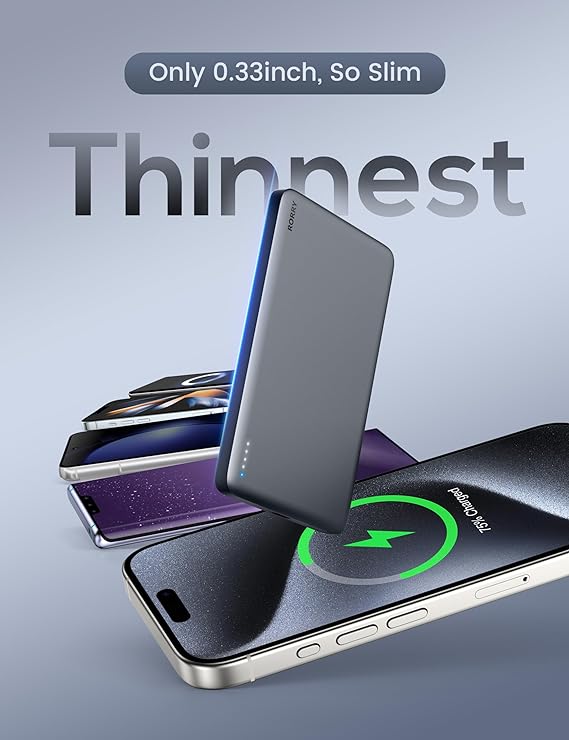
- May launch alongside a revitalised Smart Battery Case to assist heavy users .
Refined Camera Tools
- Features a single 48 MP rear camera (no ultra-wide), housed in a horizontal bar across the back—a move that complements the slim design .
- A 24 MP front camera replaces the traditional 12 MP FaceID sensor for sharper selfies and video calls .
Performance & Connectivity
- Runs on the A19 chipset, expected to be a 3 nm process with improved power efficiency .
- May include Apple’s new in-house C1 modem and Wi-Fi/Bluetooth chips—further trimming space and boosting integration .
- Rumoured to be eSIM‑only, a potential drawback in markets that rely on dual physical SIMs .
Pricing & Positioning
- Expected to cost around US $899/£670, slotting between standard and Pro models .
- Some suggest it may surpass Pro in price if tariffs and component costs increase i
Why It Matters
- Design-first strategy: Echoing the MacBook Air, Apple is targeting style-savvy consumers who value sleek form and portability.
- New battery tech: If realised, silicon-anode battery could be a major leap in mobile energy density.
- Differentiation: Could attract users who don’t need Pro-level features but want flagship polish.
Trade-offs & Concerns
- Battery longevity: Smaller capacity plus heavyweight usage may still drain faster without the battery case .
- Camera compromises: One lens means less flexibility in photography—some users may miss the ultra-wide .
- eSIM-only limitation: Could alienate users in regions reliant on physical dual SIM support .
Looking Ahead
- Launch expected September 11–13 2025, with shipment from September 19 .
- Apple may reveal iOS 26 features alongside it, including Dynamic Island tweaks and AI battery management.
- Samsung’s Galaxy S25 Slim serves as the primary competitor in the thin-phone battleground .
✅ Final Verdict
The iPhone 17 Air is shaping up to be Apple’s most daring design yet—a razor-thin marvel with emerging battery tech, premium processing, and a refined yet pared-down camera system. It appeals to users for whom aesthetics and portability come first, though it presents real-world trade-offs in functionality. If rumours hold, it could redefine best-in-class style—but only if Apple balances sleekness with sufficient performance.