


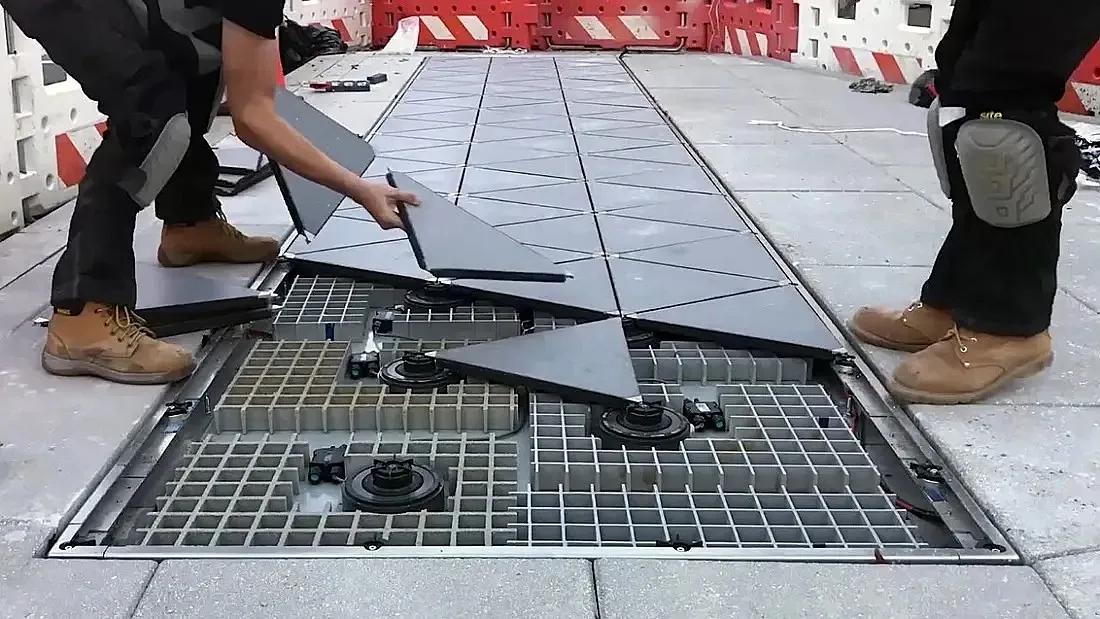
Japan is pioneering an inventive approach to clean energy: generating electricity from the simple act of walking. Using piezoelectric technology embedded beneath pavements and flooring, the country is transforming everyday human movement into a renewable power source — a small but symbolic step towards smarter, more sustainable cities.
How the Technology Works
At the heart of this innovation is piezoelectricity — a property found in certain materials that produce an electric charge when compressed. In Japan’s pedestrian hotspots, floor tiles embedded with piezoelectric ceramics or polymers capture the pressure of each footstep and convert it into small pulses of electrical energy.
Here’s what happens beneath the surface:
- When someone steps on a tile, mechanical pressure is applied.
- This pressure creates a minute electric charge within the piezoelectric material.
- The charge is collected, fed into a control system and either used instantly (for lighting, sensors or small devices) or stored for short-term use.
- Individually, each step produces little energy — but in extremely high-traffic areas, the aggregated output becomes meaningful.
The concept is simple, but its impact grows exponentially when installed in places with thousands of daily commuters.
Where It’s Being Used
The most prominent examples are found in Tokyo, where piezoelectric flooring has been integrated into entrances and corridors at busy railway stations. These installations help power LED signage, small lighting units and digital displays — offering a practical demonstration of micro-generation technology in action.
Beyond transportation hubs, the technology is also being explored for:
- public walkways
- shopping centres
- sports venues
- educational campuses
Any environment with dense pedestrian movement presents an opportunity.
Benefits of Footstep-Powered Energy
✔ Uses energy that would otherwise be wasted
Urban footfall is constant, day and night. Harnessing the pressure of footsteps taps into a freely available, renewable source of micro-energy.
✔ Ideal for powering small loads
LED lights, sensors, screens and low-voltage devices can all be supported by this form of generation — reducing dependency on the main grid.
✔ Enhances sustainability credentials
For cities aiming to cut emissions and adopt visible green innovations, piezoelectric flooring serves as both a functional system and an educational showcase.
✔ Encourages public engagement
People are often intrigued by the idea that their steps generate electricity — making it a powerful tool for raising awareness about renewable energy.
Limitations to Consider
While full of promise, footstep-powered energy is not a large-scale replacement for traditional renewables.
- Energy output per step is small — only in very high-traffic areas does the system reach meaningful daily generation levels.
- Installation and maintenance costs remain high, although prices are expected to fall as the technology matures.
- Longevity and durability of piezoelectric tiles require careful planning, especially in outdoor or heavy-duty settings.
In essence, this technology excels as a supplementary energy source rather than a primary one.
A Step Towards Smarter Cities
Japan’s adoption of piezoelectric flooring offers a glimpse into the future of urban infrastructure, where roads, pavements and public spaces do more than simply accommodate movement — they actively contribute to sustainable energy systems.
For city planners and developers, the model suggests opportunities such as:
- integrating piezoelectric tiles into station refurbishments, stadiums or large public plazas
- combining micro-generation with solar or wind for hybrid energy systems
- using installations as interactive sustainability exhibits
- gathering data on pedestrian flow for smarter city design
Conclusion
Turning footsteps into electricity may not power an entire city, but it represents an ingenious fusion of technology, sustainability and everyday human behaviour. Japan’s approach shows how even small innovations can contribute to cleaner urban living — one step at a time.