


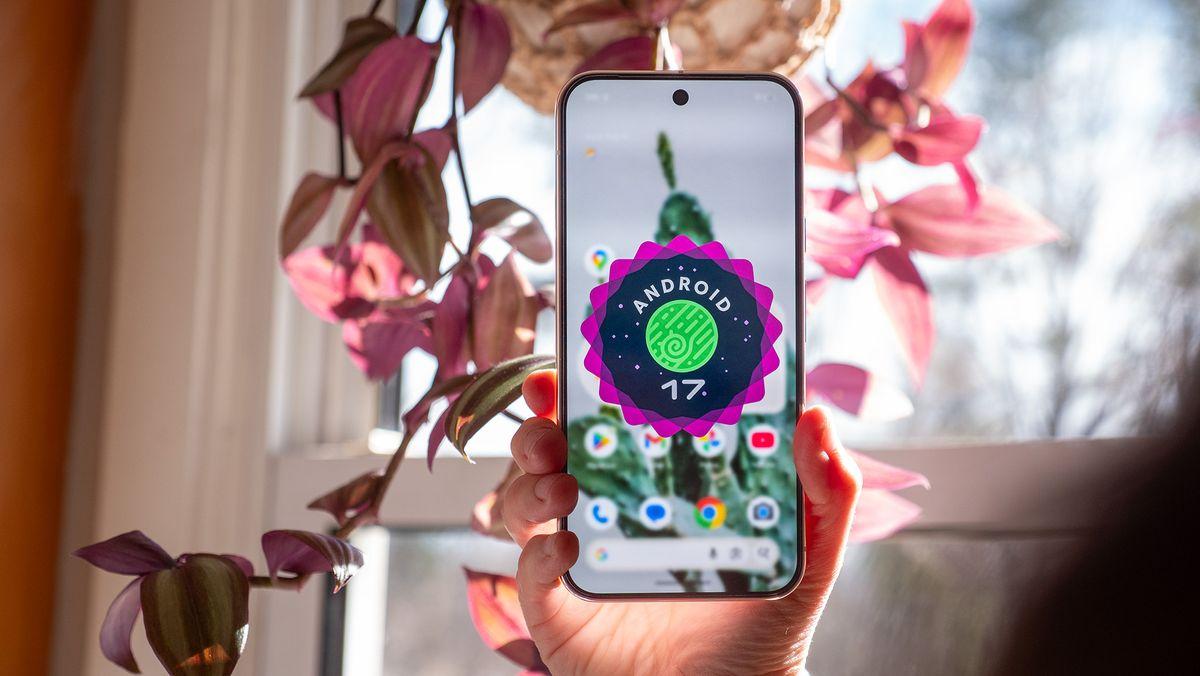
Google has just delivered its most significant software rollout of the year, simultaneously launching Android 17, the June Pixel Feature Drop and Wear OS 7 across its Pixel ecosystem.
Rather than releasing updates separately, Google has opted for a coordinated ecosystem-wide launch, bringing new features to Pixel smartphones, foldables and Pixel Watch devices all at once. The move highlights Google’s growing focus on creating a seamless experience across hardware, software and AI-powered services.
For Pixel users, it represents one of the most feature-packed updates in recent memory, introducing new productivity tools, enhanced multitasking, expanded AI capabilities, improved security measures and smarter wearable experiences.
“This isn’t just an Android update. It’s a major upgrade to Google’s entire connected ecosystem.”
Android 17 Takes Centre Stage

At the heart of the rollout is Android 17, Google’s latest mobile operating system.
The update focuses heavily on productivity, entertainment, privacy and multitasking. One of the headline features is the introduction of Bubbles and the new Bubble Bar, allowing applications to float above other content and making multitasking significantly more intuitive, particularly on foldables and larger-screen devices.
Google has also introduced Screen Reactions, a new content creation tool that enables users to overlay selfie videos on top of screen recordings, effectively creating native reaction videos without requiring third-party software. The feature is aimed at creators, educators and social media users who regularly share content online.
Additional improvements include enhanced gaming capabilities for foldable devices, stronger privacy protections, anti-theft measures and overall performance enhancements designed to improve battery efficiency and responsiveness.
AI Becomes Even More Integrated
Artificial intelligence remains central to Google’s long-term strategy, and Android 17 continues that trend.
The latest update expands the role of Gemini across supported devices, laying the groundwork for more advanced AI-powered experiences. Google has also previewed additional Gemini Intelligence capabilities, including video creation, music generation and enhanced productivity tools that will roll out later this year.
The company is increasingly positioning Gemini as the foundation of its ecosystem, moving beyond a standalone assistant towards a deeply integrated intelligence layer spanning phones, tablets, watches and future hardware.
“Google’s vision is becoming clearer: every device, every app and every interaction enhanced by AI.”
Pixel Devices Receive Exclusive Upgrades

Alongside Android 17, Google’s June Pixel Feature Drop introduces a range of exclusive enhancements for Pixel users.
New AI-powered photo editing tools continue to expand the capabilities of Google Photos, while Quick Share compatibility improvements make file transfers more seamless. Voice Translate functionality is expanding to additional devices, and call management features have received further upgrades designed to simplify everyday communication.
Pixel Fold owners also benefit from enhancements specifically designed for larger displays, including improved multitasking and gaming functionality that takes greater advantage of foldable hardware.
These additions reinforce Google’s strategy of using Pixel devices as the showcase platform for its latest software innovations.
Wear OS 7 Brings Smarter Watches

The update isn’t limited to smartphones.
Wear OS 7 is rolling out to Pixel Watch devices, introducing new features focused on convenience, connectivity and battery performance. Among the most notable additions are Live Updates, improved smart home controls and deeper Gemini integration.
Google has also enhanced safety features on Pixel Watch, including expanded emergency capabilities and more flexible notification controls designed to help users stay connected while maintaining peace of mind.
Battery optimisation remains a key focus, with Wear OS 7 aiming to extend usage times while supporting increasingly sophisticated smartwatch functionality.
Video:
Google’s Ecosystem Strategy Is Becoming Clear
Perhaps the most important aspect of this launch is what it reveals about Google’s broader ambitions.
Rather than treating phones, watches and software as separate products, the company is increasingly building a unified ecosystem where devices work together seamlessly and AI serves as the connective tissue between them.
The simultaneous release of Android 17, the June Pixel Feature Drop and Wear OS 7 demonstrates how Google intends to compete in an increasingly integrated technology landscape, where user experience extends far beyond a single device.
Looking Ahead
Google’s latest software release marks one of the company’s most ambitious ecosystem updates to date. Android 17 introduces meaningful improvements across productivity, creativity and security, while Wear OS 7 strengthens the smartwatch experience and Pixel-exclusive features continue to showcase the benefits of Google’s first-party hardware.
As AI becomes more deeply woven into everyday technology, this update may ultimately be remembered as a turning point—one where Google’s devices evolved from individual products into a genuinely connected intelligent ecosystem.