


Fitbit founders return to wearable technology
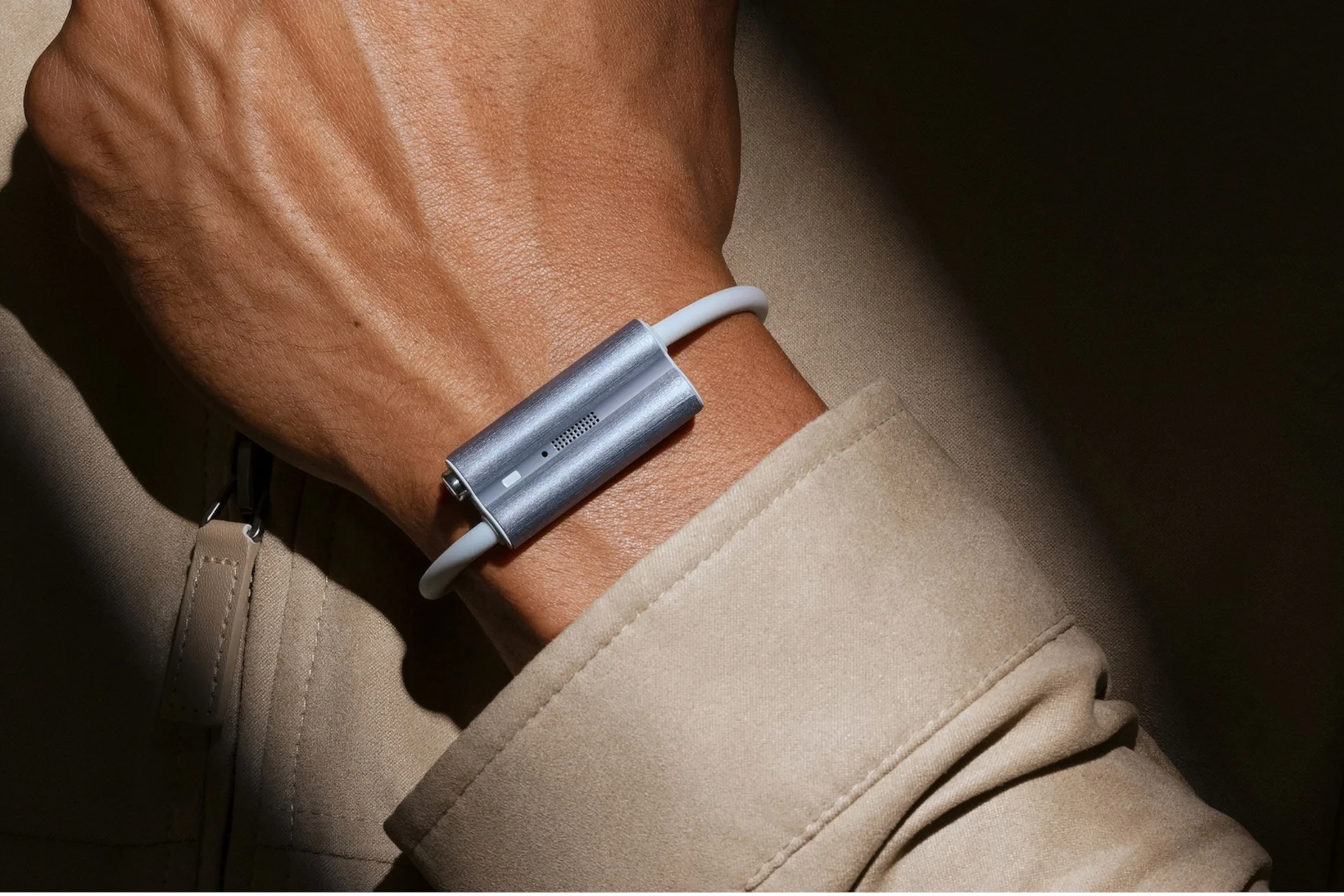
The founders of Fitbit are returning to wearable technology with Luffu Link, a screen free device designed to help families stay connected while providing health and location information.
James Park and Eric Friedman, who co founded Fitbit, have created Luffu with a different vision for the wearable market. Rather than developing another smartwatch focused on notifications, fitness and entertainment, the company is putting family communication and support at the centre of its new device.
Luffu Link is designed to stay quietly with the wearer while collecting information and providing connectivity when it is needed. The approach reflects a growing interest in technology that can be useful without requiring constant interaction with a screen.
Built around connectivity
Luffu Link combines GPS and LTE connectivity with health tracking features including heart rate and sleep monitoring. The device also includes a speaker, allowing communication without the wearer needing to take out a smartphone.
Through the accompanying Luffu app, users can also record information such as symptoms and medication details using their voice. This creates an ecosystem where information can be captured more simply and shared with family members.
The combination of connectivity, health information and communication gives Luffu Link a broader purpose than a conventional fitness tracker.
Designed with families in mind
Most wearable technology is designed around the individual wearing the device. Luffu is taking a different approach by considering how information from a wearable could also help family members stay informed.
The company sees potential applications for children, older relatives and others who may benefit from location information, straightforward communication and passive health tracking.
The screen free design is central to this idea. Instead of expecting users to interact with a display throughout the day, Luffu Link is intended to operate more quietly in the background.
AI enters the picture
Artificial intelligence is also expected to play a role within the Luffu ecosystem. The company plans to use AI to identify changes and patterns in the health information collected through the device.
Rather than simply displaying individual readings, the technology could help identify trends across information gathered over longer periods. For families and caregivers, this could provide a broader picture of changes that may otherwise be difficult to notice.
The technology is intended to support awareness rather than replace professional medical advice, but it highlights how AI could become increasingly integrated into consumer health devices.
A different take on wearable technology
Luffu Link is expected to launch at an initial price of US$249.99, positioning it as a connected wearable with a specific focus rather than a direct replacement for a traditional smartwatch.
Its development also marks an interesting new chapter for Park and Friedman following their work building Fitbit into one of the best known names in wearable technology.
The Luffu approach suggests that the next generation of wearables may not necessarily be about adding bigger screens and more features. Instead, some companies are exploring devices that work more quietly, combining connectivity, health information and communication in ways designed around everyday needs.
With its screen free design and focus on family connectivity, Luffu Link offers a fresh perspective on what wearable technology can be and how connected devices could become part of the wider family technology landscape.
Source: KL Gadget Guy
Image: Gizmodo