


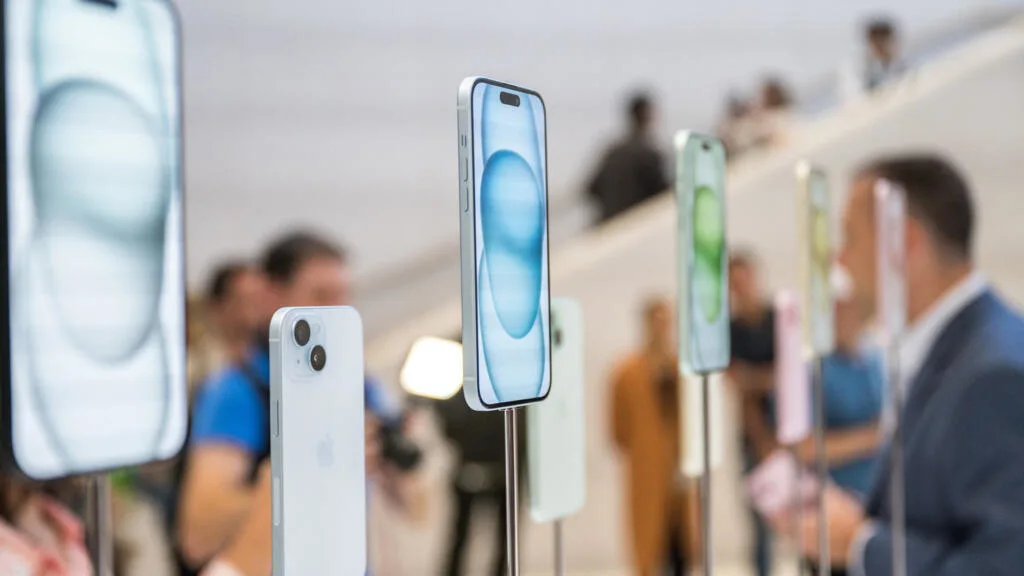
Apple has warned it may stop shipping some of its most popular products to Europe unless Brussels rewrites landmark anti-monopoly legislation it claims is harming consumers.
In a sharp escalation of its fight with the EU, the iPhone maker has called for the Digital Markets Act (DMA) to be repealed or radically redrawn. The law, which came into effect three years ago, was designed to rein in the market power of Big Tech by forcing interoperability between platforms and giving users more choice outside walled gardens like Apple’s App Store.
But Apple says the rules are having the opposite effect: delaying innovation, weakening security and degrading the seamless “Apple ecosystem” that underpins its devices.
According to a submission made to the European Commission, Apple has already held back major features in the bloc. These include live translation via AirPods and the ability to mirror iPhone screens onto laptops, both of which the company argues were blocked by the DMA’s requirement to work with non-Apple devices.
“The DMA means the list of delayed features in the EU will probably get longer, and our EU users’ experience on Apple products will fall further behind,” the company wrote.
Apple also suggested the law was unfairly applied, pointing out that rivals such as Samsung, the EU’s largest smartphone brand, face less stringent obligations. The firm even hinted that if the Apple Watch, which marks its 10th anniversary this year, were being launched today, it might never reach European consumers under the current rules.
The DMA compels Apple to ensure that third-party accessories, such as headphones, work seamlessly with iPhones. Apple argues this requirement forced it to shelve its live translation feature in Europe because it would grant competing manufacturers access to private voice data, raising privacy and child safety risks.
The company’s broadside comes amid a deepening standoff with EU regulators. Earlier this year, Apple appealed a €500m fine over claims it prevented app developers from steering users to cheaper deals outside its App Store.
The row is also resonating in Washington. US president Donald Trump recently threatened retaliatory tariffs, accusing Europe of targeting American technology companies while giving a “complete pass” to Chinese rivals. “This must end, and end NOW!” he wrote on his social media platform Truth Social.
In its submission, Apple claimed the DMA was being exploited by competitors: “Instead of competing by innovating, already successful companies are twisting the law to suit their own agendas – to collect more data from EU citizens, or to get Apple’s technology for free.”
The company added that opening up iPhones to alternative app marketplaces could expose users to content it has long banned from its App Store. “Pornography apps are available on iPhone from other marketplaces, apps we’ve never allowed because of the risks they create, especially for children,” Apple said.
The European Commission declined to comment directly on Apple’s threat but is expected to push back, pointing to consumer choice, fair competition and innovation as the core principles underpinning the DMA.
For now, the standoff underscores just how far Europe and Silicon Valley are from agreeing on the future rules of digital competition. At stake could be not just the next iPhone feature but whether Apple’s flagship products remain on sale in the world’s second-largest economy.