


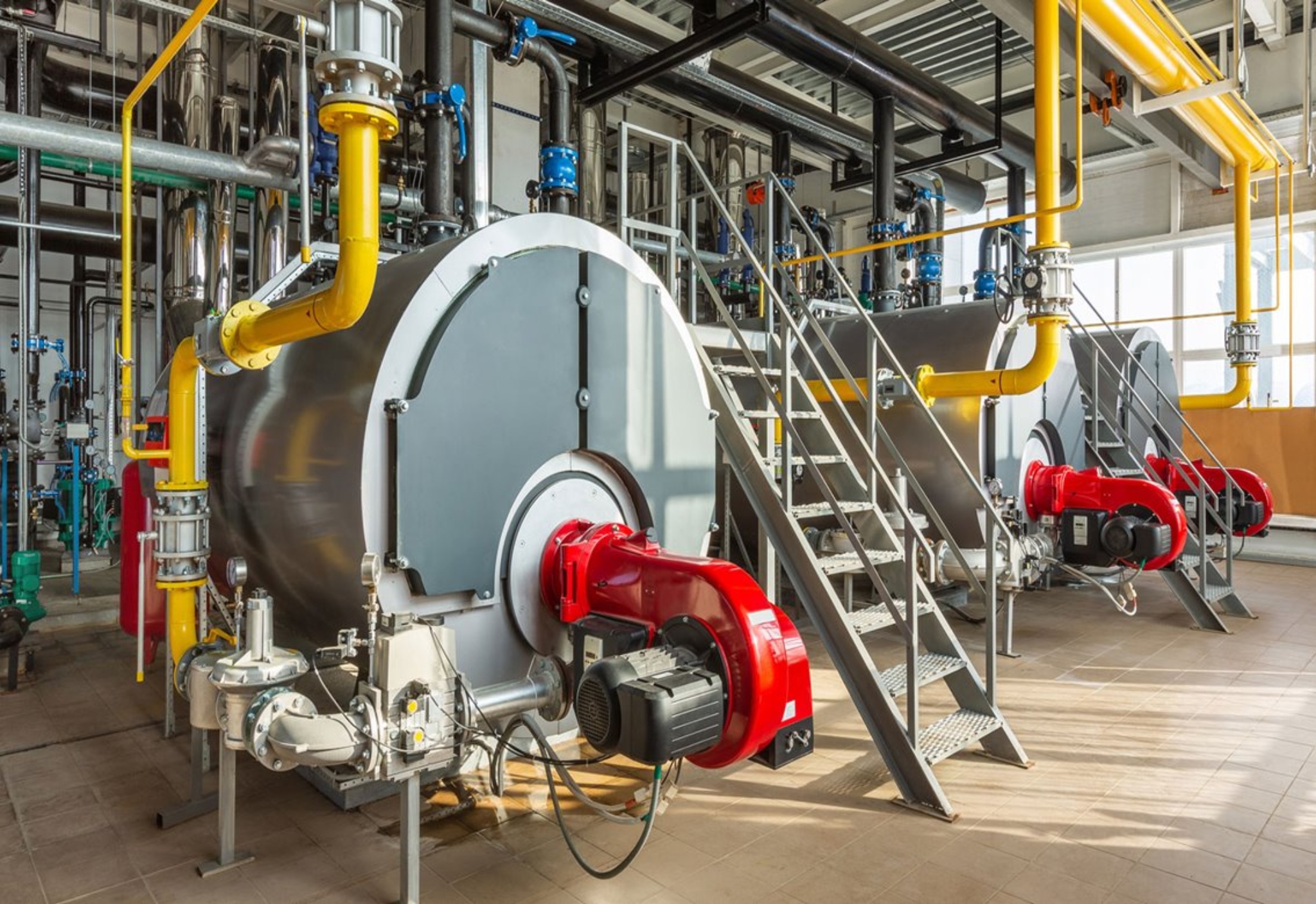
AtmosZero is tackling one of the hardest problems in the global energy transition: how to decarbonise industrial steam, a cornerstone of manufacturing that still relies heavily on fossil fuels.
By electrifying steam boilers using advanced heat-pump technology, the company is offering a practical alternative to gas- and oil-fired systems that power industries ranging from food and beverage to chemicals, pharmaceuticals and paper production.
Why steam is such a big emissions challenge
Steam has underpinned industrial processes for more than two centuries. It is essential for heating, sterilisation, distillation and chemical reactions — but it is also one of the largest sources of industrial carbon emissions.
Traditional boilers burn fossil fuels to heat water, releasing significant volumes of carbon dioxide in the process. Industrial heat accounts for a substantial share of global energy use, making steam generation a critical — and historically difficult — target for decarbonisation.
AtmosZero’s approach focuses squarely on this problem, aiming to replace combustion-based boilers with electric systems capable of delivering industrial-grade steam.
How AtmosZero’s electrified boiler works
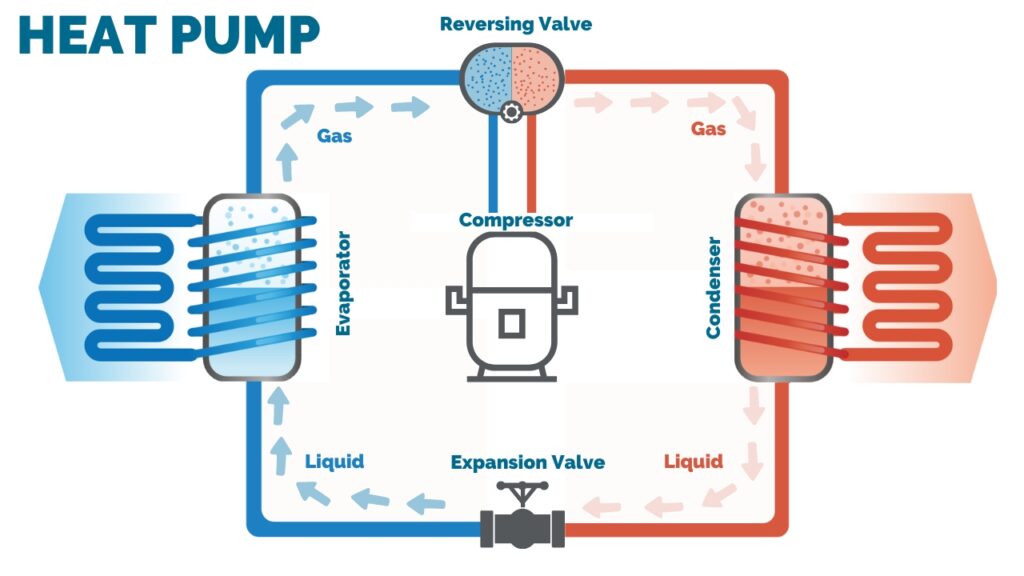


Instead of generating heat by burning fuel, AtmosZero’s system uses heat-pump technology to capture and concentrate thermal energy from the surrounding air. This energy is then upgraded to the temperatures required to produce steam for industrial use.
Because heat pumps move heat rather than create it from scratch, they can be significantly more efficient than traditional electric resistive boilers. When powered by renewable electricity, the system enables steam production with dramatically lower emissions.
The boilers are designed as modular units, allowing them to be delivered and installed with minimal disruption. This plug-and-play format reduces the complexity and downtime typically associated with major industrial retrofits.
Designed for real-world industrial use
A key barrier to decarbonising industry has been the difficulty of replacing legacy equipment without interrupting operations. AtmosZero’s modular design allows facilities to integrate electrified steam alongside existing systems, supporting gradual transition rather than all-or-nothing change.
Early deployments have demonstrated that the electrified boilers can operate reliably in live production environments, delivering consistent steam while reducing fuel use and emissions.
This flexibility makes the technology particularly attractive for manufacturers under pressure to cut emissions without compromising output or reliability.
A critical piece of the net-zero puzzle
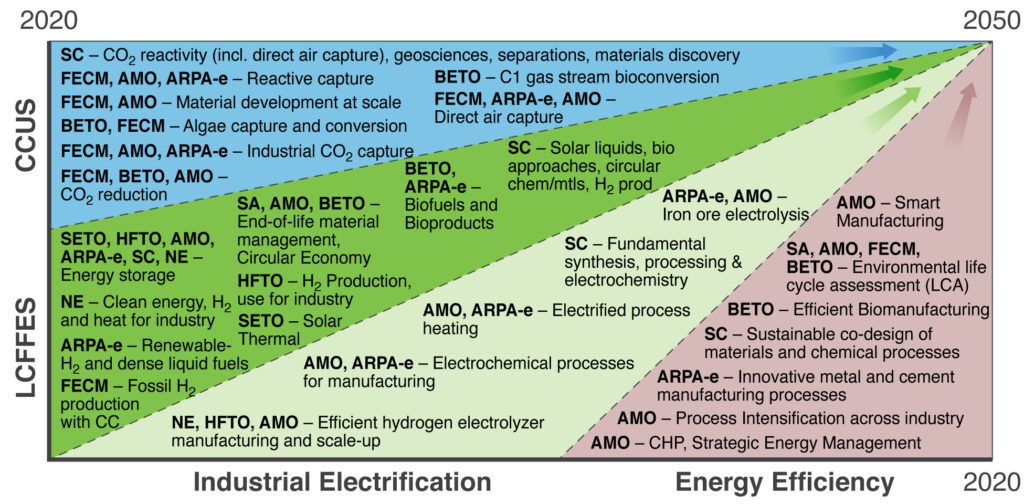

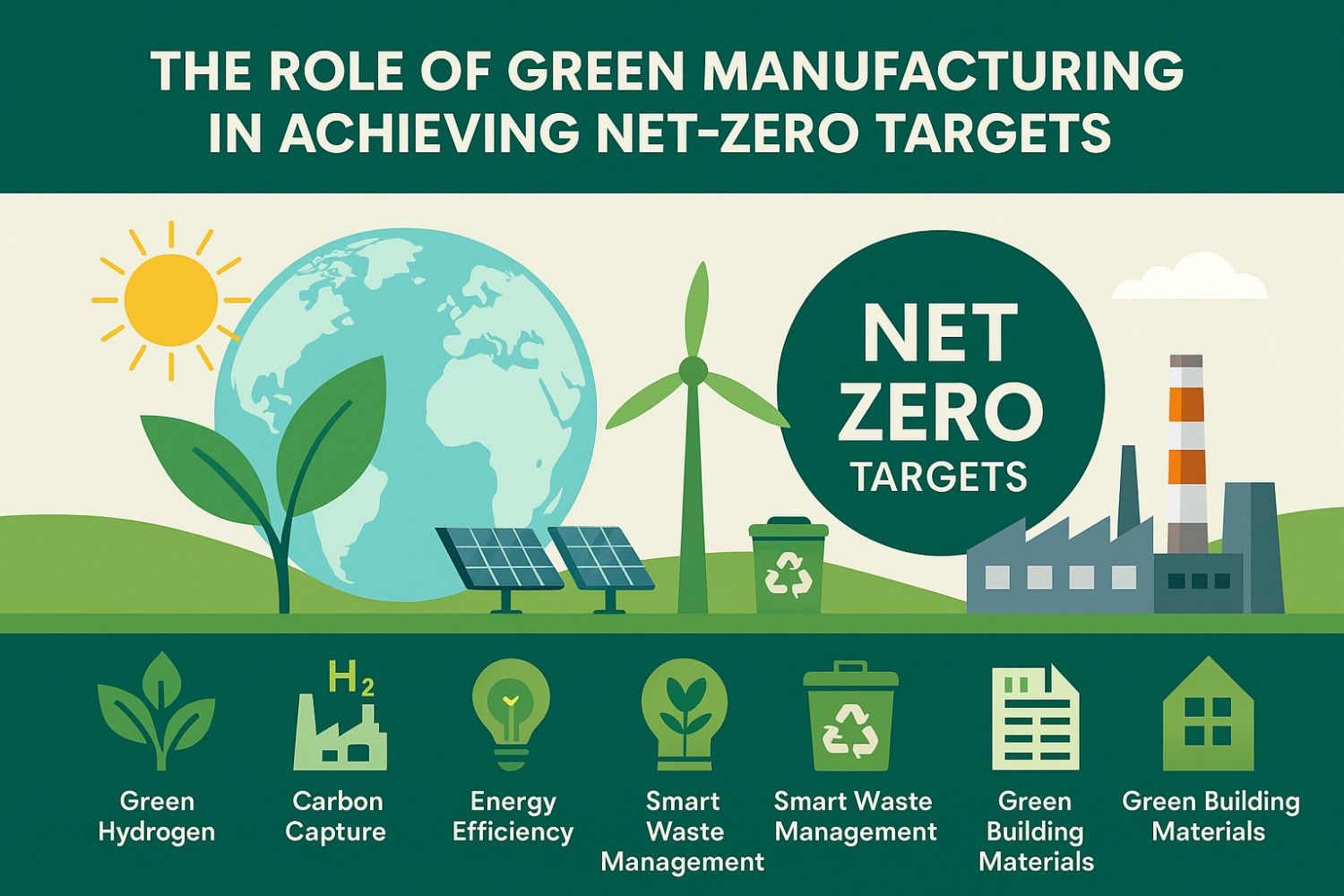
Electrifying industrial heat is widely viewed as one of the most important — and most challenging — steps toward achieving net-zero targets. While progress has been made in decarbonising electricity generation, industrial heat has lagged due to technical and economic constraints.
By making low-carbon steam practical and scalable, AtmosZero’s technology could help unlock emissions reductions across sectors that have few viable alternatives today.
As electricity grids continue to decarbonise, the climate benefits of electrified steam systems are expected to grow further, strengthening the case for widespread adoption.
Challenges and momentum ahead
Despite its promise, electrifying industrial boilers is not without challenges. Grid capacity, electricity pricing and capital investment remain important considerations for manufacturers. However, rising carbon costs, tighter regulation and growing corporate climate commitments are shifting the economics in favour of cleaner solutions.
AtmosZero’s focus on efficiency, modular deployment and compatibility with existing infrastructure is designed to overcome many of these barriers — helping move industrial decarbonisation from theory into practice.
Reinventing one of industry’s oldest technologies
Steam may be one of the oldest tools in industrial history, but innovations like AtmosZero’s electrified boiler show it can still evolve. By replacing combustion with clean electricity, the company is reimagining a foundational technology for a low-carbon future.
If adopted at scale, electrified steam could play a transformative role in reducing industrial emissions — proving that even the most established systems can be reinvented in the race toward cleaner, more sustainable manufacturing.