



In a historic leap for surgical innovation, Baylor St. Luke’s Medical Center in Houston has performed the first fully robotic heart transplant in the United States—all without ever cracking open the chest wall .
🧠 How it unfolded
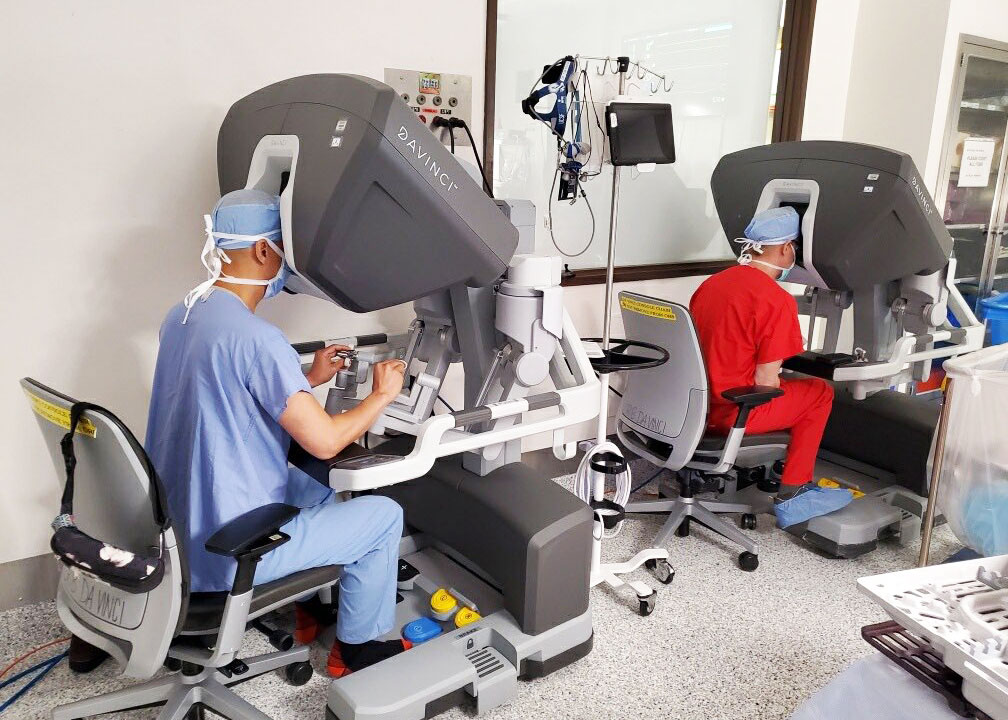
On 15 March 2025, lead surgeon Dr Kenneth Liao and his robotic-assisted surgery team successfully replaced a dying heart in a 45‑year‑old patient, accessing the organ through a series of small abdominal incisions above the navel. This avoided cutting the full sternum—traditionally a gruelling part of such procedures.
Dr Liao explained:
“Opening the chest and splitting the breastbone can affect wound healing and delay rehabilitation… With the robotic approach, we preserve the integrity of the chest wall, which reduces infection risk and helps with early mobility, respiratory function and overall recovery.”
✅ Game‐changing advantages
- Minimal surgical trauma – no sternotomy, meaning smaller wounds and reduced pain .
- Less blood loss & fewer transfusions – vital for transplant success and avoiding complications .
- Faster recovery – patient discharged just one month post-op, free from complications .
- Lower infection risk – especially important for patients on immunosuppressants.
📹 See the technique in action
Witness the remarkable procedure in this video overview:
🏥 Reflections from the operating theatre
Dr Bradley Lembcke, President of Baylor St. Luke’s, said:
“This pinnacle in heart transplantation brings great pride to our hospital… adds to its legacy of medical achievements and caring for the most complex health conditions…”
Dr Todd Rosengart, Chair of the DeBakey Department of Surgery, added:
“This robotic heart transplantation represents a remarkable, giant step forward in making even the most complex surgery safer… we’re delighted to offer this great success to the world.”
🌐 Context and global progress
- Saudi Arabia conducted the first fully robotic heart transplant in 2024—on a 16‑year‑old patient at King Faisal Specialist Hospital .
- The minimally invasive robotic approach aligns with global advances in cardiothoracic care, such as robotic mitral valve repairs at UCSF and UC Davis .
📈 What comes next
Experts predict this technique will revolutionise heart transplant care across the US. Dr Liao, who has overseen 800+ robotic heart surgeries, believes:
“I think this will be the future, and will hopefully someday become the standard of practice.”
Wider adoption depends on surgeon training, robotic system availability, and long‑term outcomes, but this case marks a clear shift toward next‑generation surgical precision.
🔍 The takeaway
The successful robotic transplant at Baylor is more than a medical milestone—it’s a testament to how innovation can transform life‑saving procedures. With less trauma, fewer complications, and faster recovery, this breakthrough could redefine heart transplant protocols worldwide. As robotic platforms continue evolving, patients may soon benefit from cutting-edge, minimally invasive transplant techniques becoming the new gold standard.