


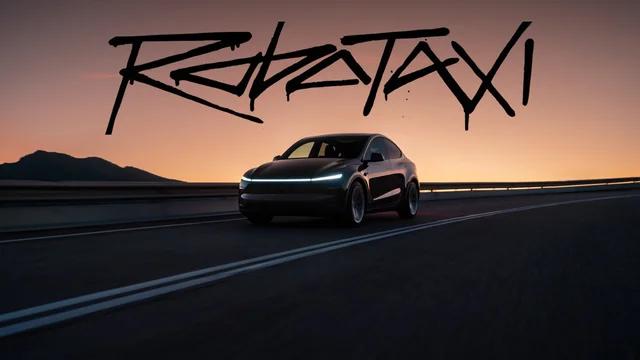
Tesla Inc.’s long-promised foray into autonomous ride‑hailing has formally arrived. Over the weekend, a select fleet of its self-driving vehicles began operating as Robotaxis in Austin, Texas – and the reaction has been nothing short of seismic. Shares surged around 8 % on Monday, propelling Elon Musk’s net worth upwards by an astonishing $15 billion in just one trading session .
A New Era: Tesla’s Robotaxi Hits the Road
On Sunday, Tesla deployed a handful of autonomous Model Y Robotaxis within a geofenced region in Austin. Each ride, priced at a whimsical $4.20, offered passengers a chauffeured experience with no driver behind the wheel, though a Tesla employee rode up front to monitor operations .
Dan Ives, senior analyst at Wedbush Securities who experienced two 15‑minute rides, praised:
“It was a comfortable, safe and personalised experience… the ride itself was completely smooth, and it was indistinguishable that the car was driverless” .
His view was echoed by early users on social media, who posted videos of the Robotaxi gliding confidently through urban traffic scenes, even manoeuvering past double‑parked cars and opened doors.
Market Reaction: Stocks and Net Worth Soar
Electric vehicle investors responded enthusiastically. Tesla’s stock surged approximately 8 %–10 %, driving its market value higher by an estimated $95 billion. As of Monday’s close, Musk holds 410.8 million Tesla shares, meaning this rally contributed around $12–15 billion to his personal fortune.
On X, he celebrated the internal team effort:
“Super congratulations to the @Tesla_AI software & chip design teams on a successful @Robotaxi launch!! Culmination of a decade of hard work.”
See It to Believe It
[Tesla Robotaxi service launch in Austin, Texas – social media/Reuters compilation]
A video compilation shows the Robotaxi in action—navigating city traffic, executing smooth lane changes and confidently negotiating tight urban scenarios. Early reviewers reported the autonomous drive as “very impressive” and “like the future” .
Why This Matters
| Factor | Significance |
|---|---|
| Proof of Concept | Transition from prototype to actual ride‑hailing service is a major milestone motortrend.com |
| AI & Chip Mastery | Highlights Tesla’s integrated development of AI and hardware for autonomy |
| Revenue Model | Marks Tesla’s shift towards scalable, high-margin software-as-a-service, potentially eclipsing pure car sales |
| Competition & Regulators | Racing alongside Waymo and Cruise. Requires permits (Texas law active Sept.) and robust safety validation |
What Comes Next?
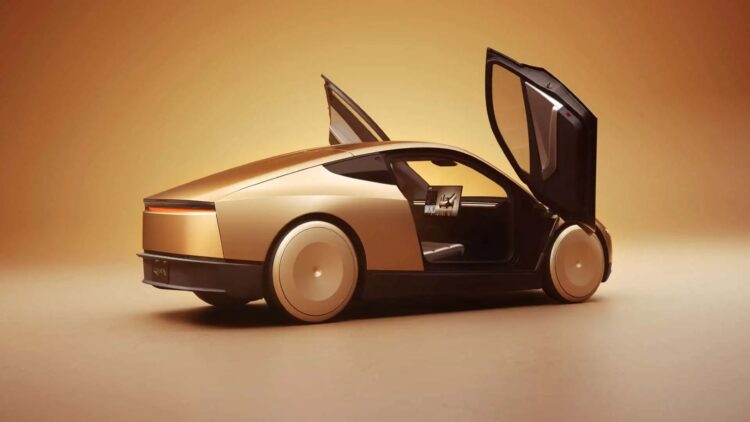
Tesla plans to expand the Robotaxi fleet in Austin, likely before rolling out to additional cities. The next major milestone will be the launch of the driver‑less Cybercab—a purpose-built vehicle without steering wheel or pedals—in 2026 .
With ambitions to scale into hundreds of thousands of autonomous vehicles by late 2026, Tesla is positioning itself at the forefront of what Ark Invest projects as a $951 billion autonomous ride‑hailing market by 2029.
Bottom Line
Tesla’s Robotaxi pilot in Austin marks a dramatic shift from vision to execution. The strong initial uptake and overwhelmingly positive response from passengers and investors alike—combined with Musk’s personal fortune climbing by billions—signals the transformative potential of autonomous ride‑hailing. Though challenges remain, especially around regulation, scalability and competition, Tesla’s move may well define the next chapter in automotive evolution.