


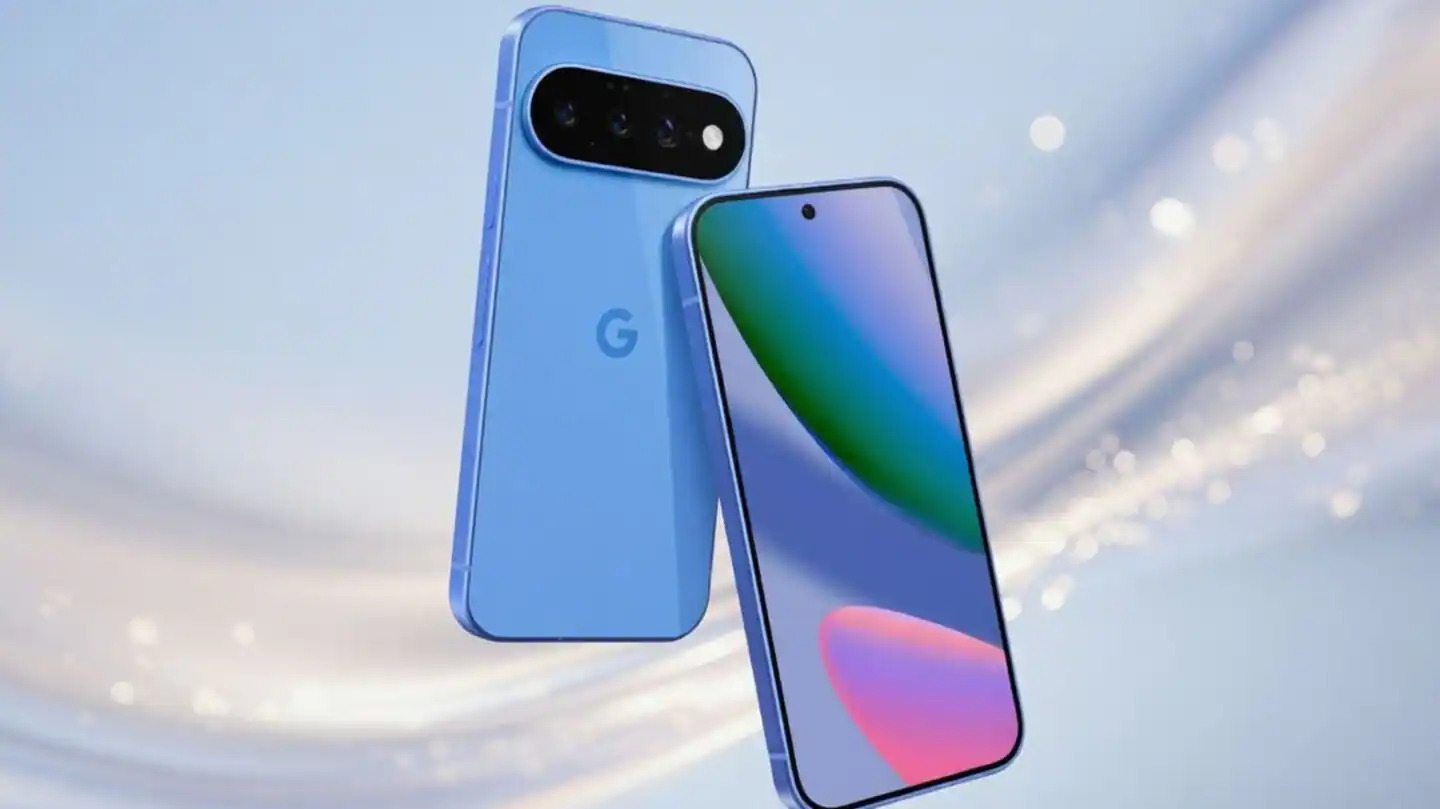
The latest leak around the upcoming Google Pixel 11 tells a very specific story—and it’s not one of dramatic change.
Instead, Google appears to be doubling down on its existing design language, refining it with subtle but deliberate tweaks. The headline changes are visually simple: slimmer bezels and a fully black camera bar, but those small adjustments say quite a lot about where the Pixel line is heading.
According to early renders, the Pixel 11 looks almost identical in shape and size to its predecessor, with dimensions virtually unchanged.
That continuity is not accidental. It reflects a strategy.
The Two Changes That Matter
At first glance, the updates may seem minimal—but they are carefully chosen.
1. A Cleaner, Unified Camera Bar
The Pixel’s signature horizontal camera bar remains, but it has been visually simplified. Instead of the two-tone design seen on recent models, the entire module is now finished in black, creating a more cohesive rear aesthetic.
It is a subtle shift, but an important one. The camera bar is the Pixel’s identity. This change refines it rather than replaces it.
2. Slimmer Bezels, More Modern Face
On the front, the bezels have been reduced, giving the device a more contemporary, edge-to-edge feel.
Interestingly, the display size remains around 6.3 inches, meaning the slimmer borders are about visual polish rather than increased screen real estate.
The effect is subtle—but noticeable in-hand.
Same Body, New Internals
Beneath the surface, the Pixel 11 is expected to carry more meaningful upgrades.
Leaks point to:
- A new Tensor G6 processor
- A shift to a MediaTek modem
- Continued focus on on-device AI and camera processing
There are also suggestions of improved low-light video capabilities powered by enhanced on-device processing—an area where Google has been steadily building an advantage.
So while the exterior feels iterative, the internal direction remains forward-looking.
Why Google Isn’t Changing Much
This is the part that matters.
Google has previously indicated that it refreshes its design language roughly every two to three years.
The Pixel 11 falls squarely within that cycle.
In other words, this is not the year for reinvention. It is the year for refinement.
That approach mirrors what we see across the industry:
- Apple iterates between major redesigns
- Samsung evolves its flagship look gradually
- Google is now following the same rhythm
The Pixel 11 is not meant to surprise. It is meant to stabilise and mature the design.
The Bigger Picture
What these leaks ultimately suggest is a shift in how Google sees the Pixel.
It is no longer experimenting with identity.
It has found one.
The horizontal camera bar, the clean rear panel, the understated front—these are now fixed elements. The focus has moved to:
- improving materials
- refining proportions
- enhancing performance beneath the surface
In short, Pixel is becoming less of a design experiment and more of a flagship platform.
The Outlook
If the leaks hold true, the Pixel 11 will not be remembered as a radical upgrade.
But that may be the point.
It represents a brand settling into confidence—polishing what works rather than chasing novelty. The real leap may come with the next full redesign cycle, potentially with the Pixel 12.
For now, the message is clear:
Google isn’t changing direction.
It’s sharpening it.