


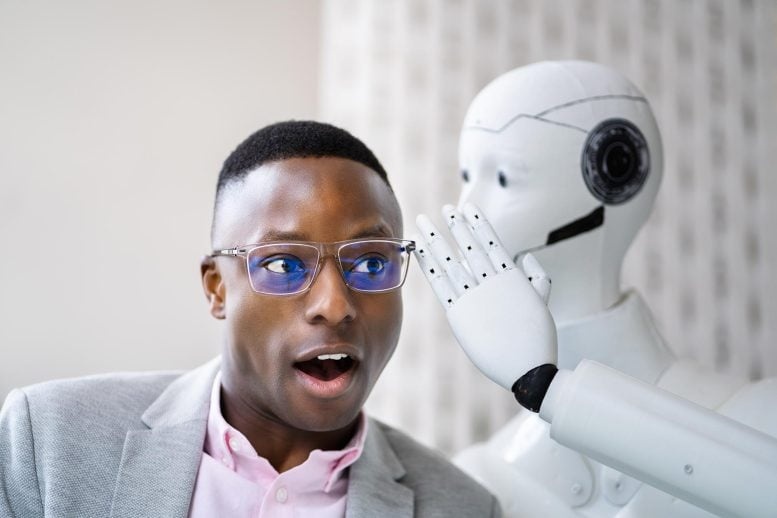
AI-powered chatbots are increasingly being marketed as accessible, always-available mental-health companions. For people facing long waiting lists, rising costs or hesitancy around traditional therapy, the appeal is obvious. But while artificial intelligence may offer convenience, emerging concerns suggest that relying on AI as a therapeutic substitute could carry serious risks.
The Illusion of Empathy
Modern AI chatbots are designed to sound caring, supportive and emotionally responsive. However, this simulated empathy is fundamentally different from human understanding. AI does not feel, interpret nuance or understand lived experience — it predicts language patterns based on data.
This limitation becomes critical in mental-health conversations, where tone, silence, hesitation and context matter deeply. Research indicates that AI tools can respond inappropriately to emotional distress, misunderstand complex situations, or provide reassurance when professional intervention is needed.
In some cases, chatbots may appear overly agreeable, inadvertently reinforcing harmful thoughts or behaviours instead of gently challenging them — something trained therapists are taught to do carefully and ethically.
Risk in Moments of Crisis
Perhaps the most serious concern arises during mental-health crises. AI chatbots lack clinical judgement and cannot reliably assess risk or intervene appropriately when users express thoughts of self-harm, suicidal ideation or severe anxiety.
While some systems may offer generic hotline suggestions, they cannot evaluate urgency, escalate cases, or adjust care strategies based on real-time emotional indicators. This makes them unsuitable — and potentially dangerous — as stand-alone support tools for high-risk individuals.
Emotional Dependence and Isolation
Another growing concern is emotional over-reliance. Because AI chatbots are always available, non-judgemental and endlessly responsive, users may begin to form emotional attachments or treat them as confidants.
Over time, this can reduce motivation to seek human connection or professional support, worsening isolation and loneliness — particularly for vulnerable users such as teenagers, those experiencing anxiety disorders, or individuals already socially withdrawn.
What appears as comfort can quietly shift into dependency.
Privacy and Confidentiality Concerns
Unlike licensed therapists, AI chatbots are not bound by professional confidentiality frameworks. Many platforms collect, store and analyse user data, often with limited transparency around how sensitive information is handled or protected.
Users may assume privacy where none is formally guaranteed, sharing deeply personal thoughts without clear understanding of how that data might be retained, processed or potentially accessed in the future.
In mental-health contexts, this lack of regulatory oversight poses significant ethical concerns.
What AI Can — and Cannot — Do
There is a growing consensus among professionals that AI may have a supporting role in mental-health care when clearly defined and responsibly implemented.
AI tools may help with:
- Mood journalling
- Cognitive-behavioural worksheets
- Mindfulness prompts
- Between-session support under human supervision
What they cannot replace is:
- Clinical judgement
- Ethical accountability
- Emotional attunement
- Crisis intervention
- Long-term personalised care
Accessibility does not equal safety — and convenience should never be mistaken for care.
A Call for Caution, Regulation and Clarity
As AI mental-health tools grow more sophisticated and widespread, experts are calling for clearer boundaries, stronger regulation and honest user education.
Key principles gaining traction include:
- Clear disclaimers that AI is not therapy
- Stronger data privacy safeguards
- Human oversight in mental-health applications
- Explicit crisis-management limitations
- Encouraging connection to real-world support
Without these measures, the risk is that vulnerable users are lulled into a false sense of security when they need real help most.
Conclusion
AI chatbots may be remarkably capable tools — but mental health is not simply a data problem to be solved with algorithms. It requires empathy, ethics, accountability and human connection.
Used thoughtfully, AI may complement mental-health care. Used carelessly, it risks doing real harm.
The future lies not in replacing therapists with machines, but in ensuring technology supports — rather than substitutes — the deeply human work of healing.