


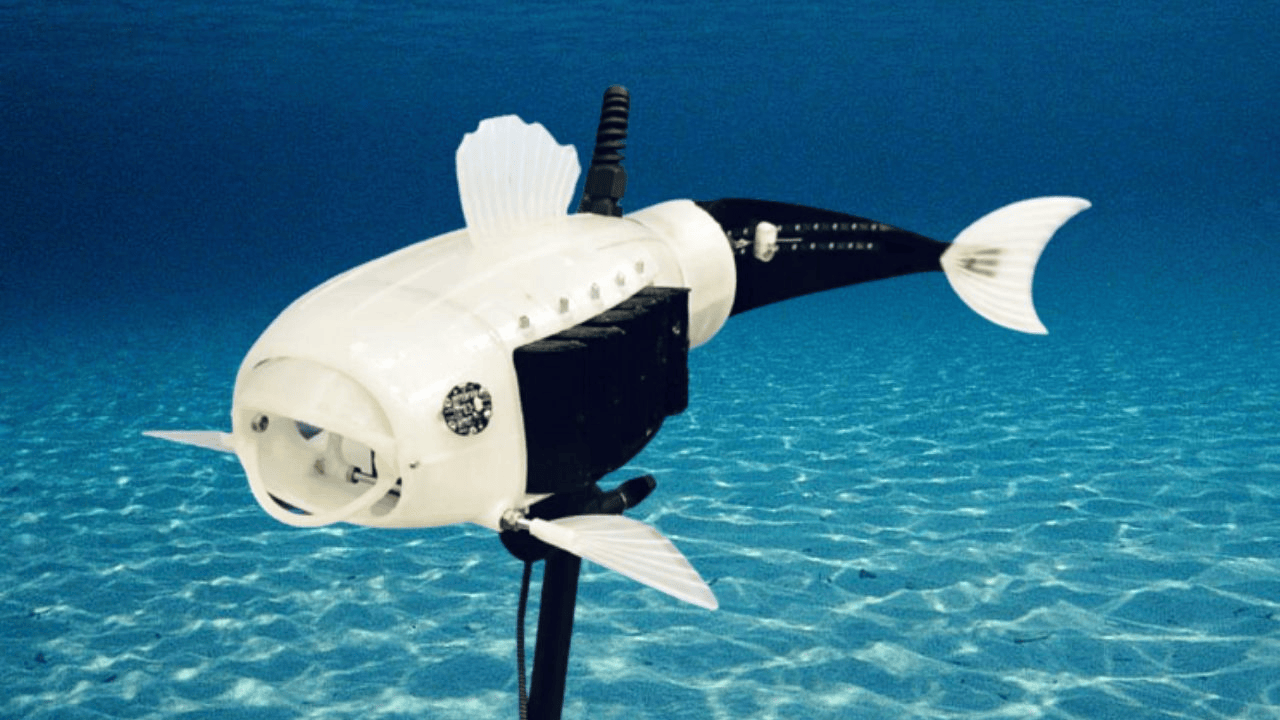
As concern over microplastic pollution continues to grow, creative technological solutions are emerging to tackle a problem that often feels overwhelming. One of the most eye-catching ideas is a UK-developed “robotic fish” designed to remove microplastics from freshwater systems. While the concept has captured widespread attention, separating fact from hype is essential.
What We Know About the Robotic Fish
The robotic fish concept was developed in the UK following a design competition, with the winning entry progressing to a working prototype. Roughly the size of a salmon, the robot is designed to swim through water, draw in polluted water through its mouth and pass it through an internal filtration system.
Key characteristics include:
- A fine-mesh filtration system inspired by the structure of fish gills, intended to trap microplastic particles while allowing clean water to exit.
- A lightweight, 3D-printed body designed for use in lakes, rivers and controlled freshwater environments.
- Demonstrated success in capturing visible microplastic particles during early testing in contained waterways.
- An open-source design, allowing the concept to be replicated, studied and potentially improved by researchers and environmental groups.
The robotic fish exists as a working prototype and has shown it can remove some plastic particles from water under test conditions.
Where Claims Run Ahead of Reality
Despite its promise, many online descriptions exaggerate what the technology can currently achieve.
- Claims that the robot “eats plastic for energy” or converts microplastics into power are not supported by verified evidence. The prototype does not generate energy from plastic.
- The robot is not fully autonomous. Current versions are remotely operated, severely limiting range, endurance and scalability.
- Filtration capability is restricted by mesh size. Many microplastics are far smaller than those currently captured and often mixed with biological matter that complicates filtration.
- Scale remains a critical challenge. Even widespread deployment would address only a small fraction of the total plastic entering waterways each year.
- The robot tackles pollution already present in water but does nothing to prevent new plastic waste from entering rivers, lakes and oceans.
In short, the technology is experimental and should be viewed as early-stage, not a comprehensive solution.
Why the Robotic Fish Still Matters
While it is far from a silver bullet, the robotic fish concept deserves recognition for several important reasons.
It provides a tangible, visual way of addressing an invisible problem, helping raise public awareness around microplastic pollution. The biomimetic design demonstrates how nature-inspired engineering can influence environmental innovation. Its open-source model fosters collaboration and refinement rather than proprietary secrecy.
Most importantly, it encourages wider discussion around how technology can support environmental remediation when combined with policy, prevention and education.
What Would Be Needed for Meaningful Impact
For robotic fish technology to play a real role in environmental clean-up, several developments would be essential:
- Autonomous navigation and sensing, allowing robots to operate independently in moving water and adjust to pollution density.
- More advanced filtration capable of capturing much smaller plastic particles without clogging or ecological disruption.
- Scalable deployment frameworks, including retrieval, maintenance and safe disposal or recycling of collected waste.
- Rigorous ecological testing to ensure no harm to aquatic life or habitats.
- Integration with upstream interventions that reduce plastic production and improve waste management systems.
Without these advances, robotic clean-up remains supplementary at best.
Conclusion
The UK-developed robotic fish designed to remove microplastics is real, innovative and symbolically powerful. However, the most dramatic claims surrounding it stretch beyond current scientific reality.
At present, it should be seen as a proof of concept rather than a solution to plastic pollution. Its true value lies in inspiration, experimentation and awareness — highlighting both the ingenuity of modern engineering and the scale of the challenge still ahead.
Used wisely and honestly, such technologies can play a supporting role in cleaner waterways. But lasting impact will depend on reducing plastic at its source, not merely filtering it downstream.