


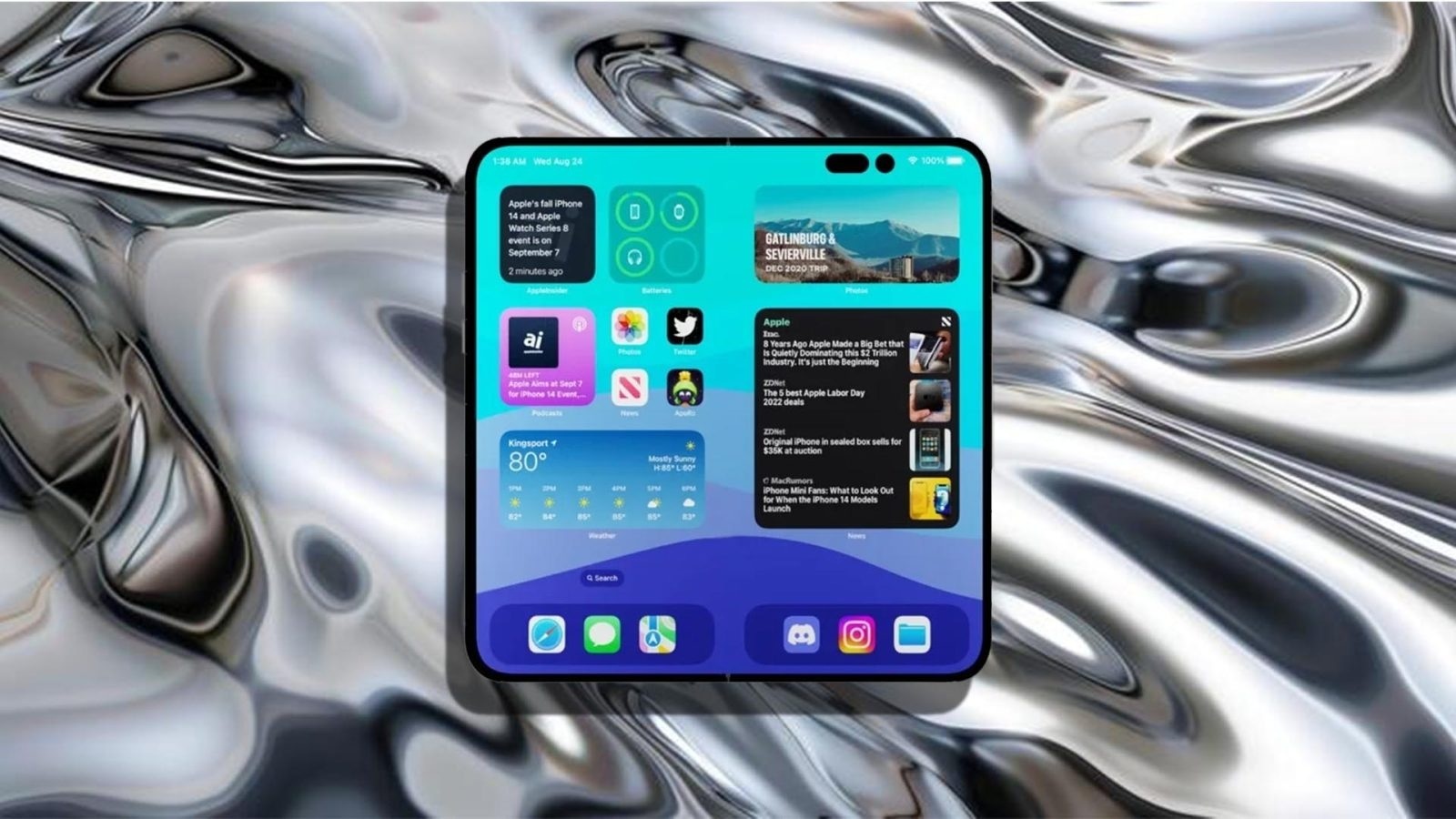
Rumours surrounding Apple’s first foldable smartphone are gathering momentum, with recent leaks suggesting that the long-anticipated iPhone Fold could finally be taking shape. While Apple has yet to confirm the device, speculation points to a possible launch as early as 2026 — and if reports prove accurate, the Fold could represent a major leap forward for foldable technology.
Apple is known for waiting until technology is mature before entering a category. The leaked details suggest that this cautious approach may be reflected in a device designed to address many of the compromises that have so far defined foldable phones.
A Foldable Without the Flaws?
One of the most eye-catching claims linked to the iPhone Fold is the possibility of a crease-free display. Visible screen creases remain one of the biggest criticisms of current foldable devices, and reports suggest Apple has developed a hinge and display system that could eliminate this issue entirely. If achieved, it would be a significant engineering breakthrough.
The expected design is a book-style foldable, opening to reveal a larger, tablet-like internal screen while folding down into a more compact, phone-sized device. This form factor would allow users to switch seamlessly between productivity, media consumption and everyday smartphone use.
Premium Design, Premium Positioning
In keeping with Apple’s flagship philosophy, the iPhone Fold is widely expected to feature a premium construction. Leaks hint at the use of advanced materials, potentially including titanium or a high-strength alloy, signalling that the Fold would sit firmly at the top of Apple’s product range.
That positioning is likely to be reflected in pricing. Early estimates suggest the iPhone Fold could become the most expensive iPhone ever released, placing it as a halo product aimed at early adopters, professionals and users seeking the very latest in smartphone design.
Software Built for a Bigger Canvas
Hardware alone will not define the success of a foldable iPhone. The real test will be how Apple adapts its software to take advantage of a flexible display. Industry observers expect enhanced multitasking, improved split-screen functionality and interface refinements that mirror the iPad experience when the device is fully unfolded.
Apple’s tight integration of hardware and software could give it a unique advantage, allowing the Fold to feel less like an experimental gadget and more like a polished, everyday device.
Challenges Still Ahead
Despite the excitement, significant questions remain. Durability is one of the biggest unknowns, as foldable devices must withstand repeated opening and closing without degrading performance. Battery life, weight and long-term reliability will all be critical factors.
Price may also limit widespread adoption. While interest in foldables is growing, only a small segment of consumers may be willing to pay a premium if the benefits are perceived as incremental rather than essential.
A Potential Market Shift
If Apple delivers on the promise suggested by current leaks, the iPhone Fold could do more than add a new product to the lineup. Apple’s entry into the foldable market may legitimise the category for mainstream users, encourage app developers to embrace larger and flexible displays, and push competitors to raise standards across the industry.
As with previous category expansions, Apple’s influence could reshape expectations around what a premium smartphone can be.
Conclusion
The leaked details surrounding the iPhone Fold paint a picture of a device designed not just to follow trends, but to refine them. By tackling known weaknesses in foldable phones and pairing innovative hardware with carefully tuned software, Apple could redefine the foldable experience.
Until an official announcement arrives, the iPhone Fold remains firmly in the realm of speculation. But if the rumours are accurate, it could mark one of the most significant shifts in the iPhone’s evolution — and a bold step into the future of mobile design.